
Can a single afternoon let you cross continents and still feel you met a city, not just its photos?
I ask that because Istanbul is huge, layered, and full of contrast. I’ll be honest: this guide isn’t a frantic checklist. It’s how I balance landmark domes and palaces with quieter corners where real life hums.
You’ll get a clear plan — starting in Sultanahmet, moving toward the markets and waterfront, then Beyoğlu/Galata, and finally the Asian side for a different rhythm. Distances and hills matter, so I group sights by neighborhood rather than seeing the city by taxi zig-zag.
I’ll point out what’s worth your limited time, what I’d skip when crowds are brutal, and where you can slow down and watch the atmosphere unfold. Expect a mix of paid highlights and low-cost extras so you can splurge smartly and still stay budget-friendly.
Key Takeaways
- I’ll balance headline sights with quieter places that show how the city truly lives.
- Group activities by neighborhood to save time and energy.
- Mix paid tickets with low-cost options to manage your budget.
- Expect hills and crowds; plan slower moments to soak up atmosphere.
- This guide aims to make you feel like you met the people and place, not just the photos.
How to Use This Guide to Plan Your Istanbul Itinerary
Pick two or three big sights per day, then give yourself flexible time to explore nearby streets. That simple rule keeps transit low and energy high. It also makes each day feel like a small discovery rather than a sprint.
I group the city by zones: Sultanahmet/Fatih, Eminönü/Karakööy, Beyoğlu/Galata, Bosphorus neighborhoods, and the Asian side. Use those zones as your map grid; you’ll save time and see more without backtracking.
Choose-your-own-adventure: pick anchors, then add wandering. For pacing, try these templates:
| Trip Length | Focus | Sample Pace |
|---|---|---|
| 2 days | Highlights | 2 anchors per day + short strolls |
| 4 days | Balanced | 2–3 anchors + neighborhood time |
| 6–7 days | Deep dive | Slow mornings, themed afternoons, ferry trips |
Book timed-entry landmarks, hammams, and popular cruises early. Improvise markets and street wandering. Consider the Istanbul Tourist Pass if you plan multiple paid sights; it saves time and money.
I’d stay central (Sultanahmet) for first-timers who like early mornings, or near Beyoğlu for nightlife. Take one guided walking tour early so history clicks—then the rest of the city makes more sense.
Practical note: leave buffer time for tea breaks, the call to prayer, and getting pleasantly lost. Do that and you’ll find more memorable experiences than rigid schedules ever deliver.
Must-See Historic Core in Sultanahmet
Start your city story here: Sultanahmet packs centuries into a few walkable blocks.
I usually do Hagia Sophia first, before crowds swell. The dome hits you before anything else—huge, majestic, and oddly layered. Inside you’ll spot Byzantine mosaics (Virgin Mary, Deesis, Emperor Justinian) alongside Ottoman calligraphy; it feels like one building that holds several eras at once.
Don’t skip the small museum behind Hagia Sophia, opened in 2023. It displays mosaic fragments, old blueprints, and digital reconstructions that explain how the place was built and changed over time.
Next, slip underground to the basilica cistern. The cool air and echo make it cinematic. This 6th-century feat of engineering covers about 106,000 square feet and stands on 336 marble columns—more than a quick photo stop, it’s an atmospheric pause.
My practical flow: hagia sophia early, then basilica cistern, then a slow walk through the surrounding squares. Go early or late if you can; this area gets crowded quickly. If you catch cistern fever, later I’ll point you to Şerefiye and Binbirdirek for more discovery.
Stand under those domes and you’ll feel why the rest of the city starts to make sense.

Major attractions in istanbul for First-Time Visitors
For a first visit, focus on a few unmistakable landmarks that tell the story without turning your day into a stress test.
First-timer core list: Hagia Sophia paired with the basilica cistern, Topkapi Palace, and the grand bazaar. Pick two interiors per day to avoid ticketed sight fatigue—save the rest for a slower afternoon.
Topkapi Palace highlights: the Imperial Treasury (look for the Topkapi Dagger and the Spoonmaker’s Diamond), the Sacred Relics, and the Harem with vivid İznik tiles. Those are the parts I find worth extra time; skip rooms that feel redundant if you’re tired.
Grand Bazaar reality check: founded 1461, it spans 60+ covered streets and about 4,000 shops. It draws roughly 250,000–400,000 visitors daily. Hours are 9am–7pm and it’s closed Sundays. My rule: wander first, buy later, and haggle politely—vendors may even offer tea.
If you hate crowds, go early or treat these as quick atmosphere stops and spend more time in quieter areas. Yes, tourists flock here—but these places still teach you a lot about the city and the trip.
Markets and Shopping Streets With Peak Istanbul Atmosphere
Markets here feel like live theater—voices, colors, and tiny acts of bargaining at every stall.
I treat shopping as a cultural activity, not a chore. Start with a slow loop through the Grand Bazaar to get your bearings. It was founded in 1461, holds 60+ streets and about 4,000 shops, and draws 250,000–400,000 visitors a day.
My simple flow: one full loop, mark honest vendors, then return. Haggling is normal; expect tea offers. The bazaar’s entrance and hours (9am–7pm; closed Sundays) help plan mornings or late afternoons.
The Spice Bazaar is the photogenic, compact cousin—best at dawn for calm light; prices can be higher, but you can still bargain. For a different vibe, pop into Çiçek Pasajı for ornate arcades and easy cafés.
| Market | What to Look For | Best Time |
|---|---|---|
| Grand Bazaar | Iznik ceramics, lanterns, jewelry | Morning or late afternoon |
| Spice Bazaar | Spices, sweets, photogenic stalls | Dawn for photos |
| Serdar-ı Ekrem Street | Vintage boutiques, curated shops | Afternoon browsing |
Budget tip: set a spending limit before you enter—prices vary wildly on the same street. Eat nearby; a small meal keeps energy up and makes shopping more fun.
Bosphorus and Skyline Experiences You Shouldn’t Skip
Standing on a ferry as the shore slides by is the quickest way to understand this city’s geography. The strait links the Black Sea and the Sea of Marmara and literally divides the European and Asian side.
The water here is the city’s pulse. Seeing landmarks from the deck turns scattered buildings into a clear skyline story.
If you’re short on time, take a daytime cruise for crisp views of palaces, mansions, and waterfront mosques—an efficient highlight reel.
- Sunset trips make the mood unforgettable; daytime runs are better for photos and details.
- Everyday ferries are cheap and real—commuters, vendors, and fishing lines make them a genuine local experience.
Walk the shoreline after a ride so you can linger where the deck looked best. Galata Bridge is a classic spot to watch the fishers and stacked skyline while boats pass beneath.
Practical note: bring a light layer—it gets windy on the water even on warm days.
“Few places let you watch continents face each other across one narrow strait.”
That simple scene makes this place feel like a small world stage—and it’s one of the most rewarding ways to see the city.
Galata Tower and the Golden Horn Views
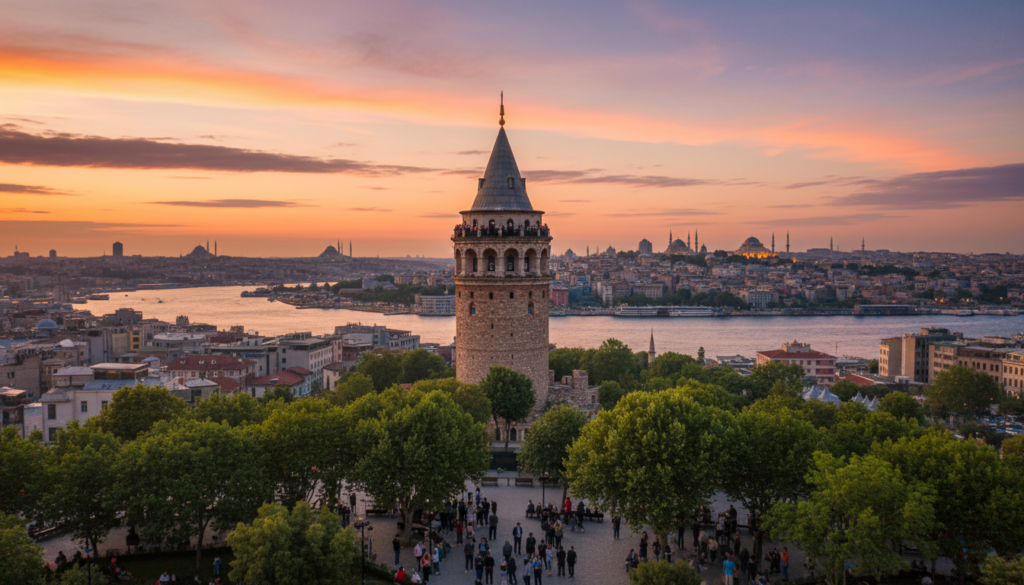
Climbing toward the Galata Tower shifts the city from flat maps to layered views. The tower, built in 1348 and UNESCO-listed since 2013, gives a full 360° panorama that helps you read that map at once.
The building holds artifacts on lower levels that tell a bit of its long history. There’s also the quirky legend of Ahmed the Wise, who tried a flight across the Bosphorus with artificial wings in 1632—exactly the sort of story that sticks with you.
How to enjoy it: go early or late to dodge lines. If the entrance queue is wild, soak up the atmosphere on the surrounding street instead and save the ticket for another visit.
- Set the scene: steep lanes, cobbles, cafés with constant camera-click energy.
- After the tower, walk the Golden Horn viewpoints to stretch the visit and layer your views.
“Pick one bench, sit, and watch the city move beneath you.”
It’s popular for good reason. But the best payoff is literal: you suddenly see where everything sits, and the rest of the world around you makes more sense.
Ortaköy Mosque and Photogenic Waterfront Landmarks
Ortaköy feels like a postcard you can step into at golden hour. The 18th-century Neo‑Baroque mosque sits right on the Bosphorus shore, its carved stonework and hand‑painted calligraphy by Sultan Abdülmecid I catching the evening light.
Come near sunset for the best views and cooler air—but expect other tourists doing the same. Pace yourself with a slow waterfront stroll; this is one of those places where the view does most of the work and you simply let it sink in.
Photo tip: step back far enough to include the bridge; the contrast between the traditional building and the modern span tells the city’s story in one frame.
Be respectful—this is an active place of worship. Dress modestly and avoid photoing people during prayer. Pair the visit with a simple snack nearby and, if you have energy, walk more along the Bosphorus shoreline.
| Feature | Why It Matters | Best Time |
|---|---|---|
| Neo‑Baroque façade | Unique ornate carving and royal calligraphy | Golden hour |
| Waterfront setting | Bridge backdrop for iconic photos | Sunset |
| Local rhythm | Active worship plus street vendors | Late afternoon |
“Ortaköy is where modern and historic layers coexist without a museum label.”
Charismatic Neighborhoods for a More Local Side of Istanbul
Walk these neighborhoods and you’ll find the city as people actually live here, not just the postcard version.
Why neighborhoods matter: landmarks show history; neighborhoods show daily life. These streets let you see how people eat, work, and linger.
Give your itinerary permission to slow. Treat this as unplanned time—wander, sit, and follow a curiosity-led route rather than a schedule.
Bebek is great for an easy, upscale waterfront walk. Expect pretty architecture, café culture, and the restored Art‑Nouveau mansion that now houses the Egyptian consulate (restored 2010).
Çukurcuma and Cihangir reward slow browsing. Hunt antiques and vintage shops, enjoy street art, and duck into small cafés. Aga Hamami (1454) is a historic bath option if you want a restful pause.
Street cats are part of the texture here—small moments that make the place feel intimate.
- Wear sturdy shoes: these areas are best explored on foot and the hills are real.
- What to do there: pick one anchor café, one small shop, one viewpoint—then let discovery fill the rest.
| Neighborhood | Why Go | Quick Plan |
|---|---|---|
| Bebek | Waterfront cafés, architecture, relaxed strolls | Walk the shore, pause at a café, photograph the mansion |
| Çukurcuma | Antiques, vintage shops, quiet streets | Browse shops, pick a bench, chat with a shop owner |
| Cihangir | Street art, small restaurants, creative cafés | Find a mural, eat at a local restaurant, linger over coffee |
“You’ll leave with a more personal memory than a checklist photo—because you gave the place time to speak back.”
Fener and Balat: Colorful Streets, Heritage, and Quiet Corners
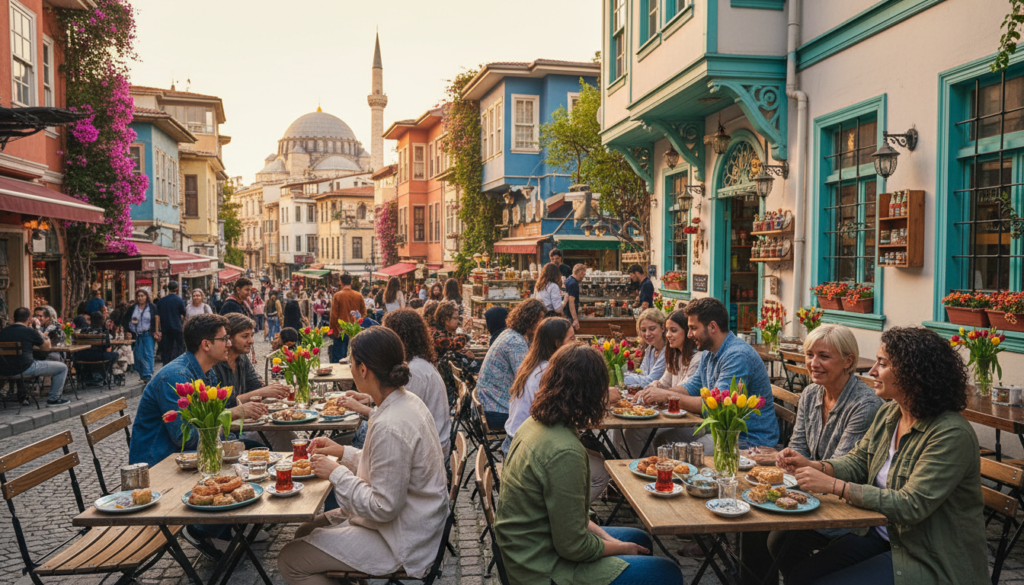
Fener and Balat feel like the city taking a quiet, colorful breath after a busy day. I often treat this area as the exhale—calmer, residential, and full of details that reward a slow walk.
Walk the steep streets and you’ll see pastel houses, faded paint, and shopfronts that look lived-in rather than staged. You’ ll find synagogues, churches, and mosques standing close together. The layered heritage shows up on one short stroll and it’s quietly powerful.
The Red Castle — Phanar Greek Orthodox College is the dramatic pause: a red-brick building (built 1800–1882) with a dome and an old telescope that hints at classroom astronomy. It’s one of those moments that makes the place stick with you.
My route idea: pick two photo spots, then wander side streets until the atmosphere feels local. Be mindful—this is a community. Keep noise down, ask before photographing people, and support small shops and cafes when you can.
“You’ll leave with corners that make the city feel human-sized again.”
Kadıköy on the Asian Side: Markets, Meals, and Moda Views
A ferry crossing is the simplest way to reset your pace and see the skyline from the water.
I recommend Kadıköy as the easiest “different” side of the city you can do—same city, totally new energy. The ferry itself is a highlight: breeze, skyline views, and a relaxed arrival that makes the day feel like a small adventure.
The market streets are refreshingly local: fish on ice, spice barrels, and everyday shopping that’s less performative than the big bazaars. Prices for fish and spices often beat central markets.
Where I eat: grab a quick fish sandwich at Olimpiyat Kokoreç, snag Halil Lahmacun for a fast bite, or sit down at Ciya Sofrası for deep Anatolian meals when you want a proper meal.
Finish in Moda—walk to Moda Pier, find a café, and watch deck‑chair views over the water like locals do. Come hungry and pace yourself; here meals are sightseeing.
“Kadıköy helps you understand the city as a lived place, not just a museum.”
| Spot | Why Go | Best Time |
|---|---|---|
| Kadıköy Market | Local fish, spices, everyday shopping | Morning–early afternoon |
| Olimpiyat Kokoreç / Halil | Quick fish sandwiches and lahmacun | Any mealtime, come hungry |
| Ciya Sofrası | Authentic Anatolian restaurants for sit-down meals | Lunch or dinner |
| Moda Pier | Calm cafés, deck-chair views over the water | Late afternoon–sunset |

Cultural Hangouts and Museums for Art and Design Lovers
When you want a modern counterpoint to the domes, these cultural hangouts deliver fresh perspectives.
Salt occupies thoughtful city rooms—there’s a Galata space in a former Ottoman Bank with neoclassical details, an atrium, a research library, café, and a bookstore. Even if you’re not an art expert, you’ll find the architecture and rotating shows quietly engaging.
Arter sits in Dolapdere in a plain white building that feels calm and local. The galleries focus on post‑1960s art and are less crowded, which makes time there more contemplative than rushed.
The Museum of Innocence is one of the most original places I know: 83 displays across five floors, everyday objects that map to Pamuk’s novel, and a narrative that turns small things into emotional moments.
Istanbul Modern reopened in a Renzo Piano building and centers on post‑1945 Turkish art. You’ll see big contemporary references—from Refik Anadol’s digital works to striking photography—so it reads like the city’s flagship for now.
- Choose one if short on time: storytelling museum (Innocence) vs contemporary galleries (Arter/Salt) vs the big modern flagship (Istanbul Modern).
- Pair museums with a nearby street stroll and a café—so your day mixes indoors and neighborhood life.
“You’ll leave with a clear sense that this place is creative, evolving, and surprisingly personal.”
Hammams and Wellness Experiences Worth the Time
A proper hammam visit can feel like hitting the city’s reset button after a long walking day. I recommend one if you want something both restful and cultural.
What happens: steam, warm marble, a full-body scrub, and a foam massage. It’s straightforward and surprisingly grounding. For many visitors, the ritual is the highlight of the day.
Zeyrek Çinili Hammam reopened in Sept 2023 after a 13-year restoration. The 16th-century setting now has restored facilities and an on-site museum with archaeological finds. Guided tours run on Wednesdays (Turkish/English) if you want context with your relaxation.
For first-timers, try Hürrem Sultan Hamamı or Cağaloğlu Hamamı in Sultanahmet. They explain the process, offer polished service, and accept bookings—book ahead and skip any aggressive street hawkers pitching instant deals.
| Hammam | Best For | Booking Tip |
|---|---|---|
| Zeyrek Çinili | History + calm museum visit | Reserve for Wednesday tour or a relaxed afternoon |
| Hürrem Sultan | First-timers wanting guidance | Book online to secure a slot |
| Cağaloğlu | Polished, classic service near major sights | Peak times fill fast—reserve ahead |
Budget note: treat this as one intentional splurge—save elsewhere and enjoy the care. Avoid pushy promises from street vendors; pick reputable places where you feel safe.
“You’ll leave calmer, softer-skinned, and quietly proud you tried a living local ritual.”
Budget-Friendly Highlights and Free Things to Do Between Big Tickets
You don’t need to buy every entrance to still feel like you’ve seen the place. I balance one paid visit with several free, high-reward walks so the trip stays fun and affordable.
Reality check: as of Jan 2024, hagia sophia charges €25 for foreign tourists. That price matters when you build a day of paid sights.
The Blue Mosque is still free—dress respectfully and it becomes one of the best value experiences here. Between tickets, I love Sultanahmet Square for people-watching and Gülhane Park to decompress.
Walk the Galata Bridge for skyline views and local fish vendors—but watch a shoe-shine scam: decline politely and keep moving. Wander the Spice Bazaar, stroll the old city walls, or explore Fener/Balat for colorful streets and quiet corners.
If weather or feet protest: head to Istiklal Avenue and Salt Beyoğlu for free culture and indoor browsing. Free walking tours are a low-cost way to add context—tipping is customary.
“Pick what you’ll pay for because you love it — let streets, mosques, and the waterfront do the rest.”
Day Trips and Extra Experiences to Round Out Your Trip
When you want to expand your itinerary without adding stress, try these easy side trips and experiences.
Start simple: take a short ferry to the Princes’ Islands, especially Büyükada. You’ll find car‑free streets, wooden houses, pine forests, and calm beaches. Rent a bike or walk—this is the best reset day when the city feels loud.
The Tünel (1875) is a tiny, charming transit moment—second‑oldest underground after London. Slot it into a half day; it’s quick, nerdy, and gives your itinerary a fun technical footnote.
For movement and history, bike along the Theodosian Walls. It’s active and scenic—perfect if you’ve eaten a lot of baklava and need to burn energy.
Explore Binbirdirek Cistern as a quieter contrast to the famous cistern. It’s often drained so you can walk among columns and feel the scale without the crowds.
- Try Turkish sand coffee at Közde Kahve and a playful fortune reading—small, local, and weirdly memorable.
- Visit the Pudding Shop (Lale Restaurant) for a historic bite and then hunt a Cağ kebab at Şehzade Cağ Kebap or a humble lokantası for real meals.
- Seek “secret rooftop” views ethically—ask your hotel or a café owner rather than trespassing.
Logistics note: if you plan multiple side trips over several days, pick one home base and skip frequent hotel moves. Save your energy for experiences, not repacking.
“A single ferry ride can change the whole tone of your trip.”
Conclusion
The best way to see this place is to mix a few bold landmarks with slow street-time and tea breaks. That balance makes the city feel lived-in, not rushed.
Group your days by neighborhood to save time and energy. Book key tickets when crowds peak; give yourself flexible hours for unplanned detours and waterfront rests.
If you only have a little time: pick one historic interior, one market, one Bosphorus moment, and one neighborhood wander. Those four things will shape a memorable trip.
Lines and crowds are real, but they don’t have to spoil the day—pace yourself and stay curious. Use this guide as a way to travel lightly and listen to the city; it gives back when you do.
FAQ
How do I use this guide to plan my Istanbul itinerary?
Start by reading the Sultanahmet and Bosphorus sections to get a feel for the classic highlights—Hagia Sophia, Topkapi Palace, and a Bosphorus cruise. Then pick neighborhoods that match your pace: choose a day for markets like the Grand Bazaar and Spice Bazaar, another for exploring Galata, Karaköy, and the Golden Horn. Allow extra time for cafés, a hammam visit, and wandering side streets; I always leave room for spontaneous stops and local meal breaks.
What are the can’t-miss historic sites in the Sultanahmet area and when should I visit?
Hagia Sophia and the Blue Mosque sit at the heart of Sultanahmet and are best seen early morning to avoid crowds and capture softer light for photos. The Basilica Cistern is nearby and cooler in summer. Buy combined-tickets where possible and plan to spend at least half a day in this area to soak up the buildings, museums, and nearby restaurants without rushing.
I’m a first-time visitor—what should I prioritize on a short trip?
Focus on a mix of old and new: Hagia Sophia, Topkapi Palace or the Basilica Cistern for history; a Bosphorus ferry or short cruise for skyline views; Galata Tower for panoramic shots; and the Grand Bazaar for shopping and atmosphere. Split these across two to three days so you can enjoy meals and neighborhood walks without feeling like you’re checking boxes.
Where are the best markets and shopping streets for the genuine Istanbul atmosphere?
The Grand Bazaar offers classic shopping—carpets, ceramics, and jewelry—while the Spice Bazaar is rich with food, teas, and spices. Istiklal Street in Beyoğlu mixes boutiques, street food, and cafés. For a less touristy market vibe, visit Kadıköy on the Asian side or the fish market near Karaköy.
Which Bosphorus and skyline experiences do you recommend not missing?
Take a public ferry from Eminönü to Üsküdar or Kadıköy for an affordable, authentic view of palaces, mosques, and waterfront mansions. Consider a short private cruise at sunset for golden light and quieter moments. Walking the waterfront at Ortaköy or along the Galata Bridge at dusk gives excellent skyline photos and lively street food scenes.
Is visiting Galata Tower worth it and what views can I expect?
Yes—Galata Tower rewards you with sweeping views over the Golden Horn and the historic peninsula. Expect crowds at peak times; go early or late afternoon for better light and fewer people. Nearby streets are full of cafés, street art, and independent shops worth exploring after your climb.
What makes Ortaköy and its waterfront so photogenic?
Ortaköy combines a scenic mosque right on the water with lively markets, kumpir (stuffed baked potatoes), and cafés facing the Bosphorus Bridge—perfect for people-watching and sunset shots. The small square has a relaxed, bohemian vibe that balances the more formal sights elsewhere.
Which neighborhoods give a more local, less touristy feel?
Fener and Balat are full of colorful streets, historic houses, and quiet corners where locals live and artisan shops operate. Kadıköy and Moda on the Asian side provide lively food markets, cafés, and an authentic nightlife. These areas are great for leisurely walks, second-hand shops, and meeting residents rather than tourists.
What should I see in Fener and Balat for history and photography?
Stroll the steep, cobbled lanes lined with painted façades, visit the Greek Orthodox Patriarchate area, and pop into small galleries and antique shops. The contrast of Ottoman buildings and Orthodox churches makes for vivid photos and a calmer pace compared with the historic core.
Why visit Kadıköy and what are the best food and view spots there?
Kadıköy is a food lover’s neighborhood with lively markets, seafood restaurants, and the relaxed Moda waterfront—ideal for cafés and sunset walks. Try local fish sandwiches by the docks and explore the street art and record shops for a youthful, authentic vibe.
Which museums and cultural hangouts should art and design lovers choose?
The Istanbul Modern, Pera Museum, and SALT Galata are top picks for contemporary and modern art. Small galleries in Karaköy and workshops in Balat often host rotating shows. Check current exhibitions online before you go—many places rotate collections and offer late openings.
Are traditional hammams worth the time and how do I pick one?
A hammam is a cultural experience—relaxing and immersive. Choose a reputable, well-reviewed hammam that offers clear service descriptions; some are historic and offer a full scrub and massage, others are more modern and spa-like. Expect to spend at least an hour; bring swimwear if required and a T-shirt if you prefer more modesty during the scrub.
How can I enjoy Istanbul on a budget and find free things to do?
Walk the neighborhoods—Galata, Balat, and Kadıköy—visit public parks, ride a public ferry for skyline views, and explore markets for affordable meals. Many mosques and public museums offer free or low-cost entry times. Picnicking by the Bosphorus is free and memorable; I often skip one paid attraction to linger longer in a neighborhood instead.
What day trips or extra experiences would round out a trip?
Consider a day trip to the Princes’ Islands—Büyükada offers car-free streets, bike rentals, and seaside cafés. A day on the Marmara coast or a longer trip to Edirne or Şile reveals different sides of Turkey. For a short cultural add-on, take a food tour or a guided photography walk to deepen your local experience.
What are practical tips on entrance fees, opening hours, and peak tourist times?
Buy tickets online for busy spots like Topkapi or certain museum exhibitions to skip lines. Many sites open around 9 AM and close late afternoon—check seasonal hours. Peak tourist months are spring and autumn; early morning visits or late afternoons usually mean fewer people. Also, wear comfortable shoes—there’s a lot of walking on uneven streets and hills.