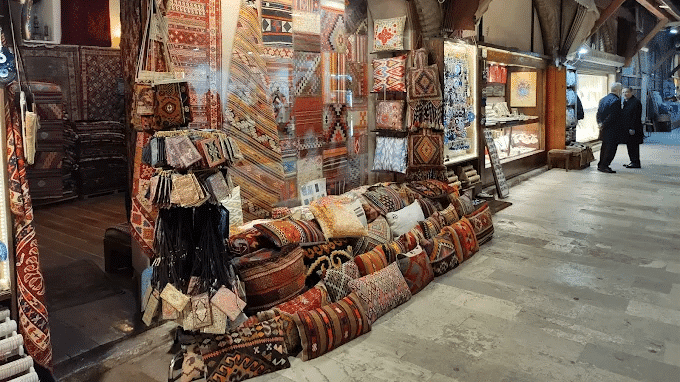
Step off the tourist trail just behind Istanbul’s iconic Blue Mosque, and you’ll discover Arasta Bazaar—a historic, open-air marketplace that offers everything the Grand Bazaar does, minus the overwhelming crowds. This intimate lane of roughly 70 to 80 stores provides a quiet and upscale alternative for travelers seeking authentic Turkish crafts without the sensory overload.
Arasta Bazaar is known for its calm atmosphere compared to the Grand Bazaar, offering a more intimate shopping experience. Where the Grand Bazaar sprawls across 4,000 shops in a labyrinthine layout, Arasta presents a single cobbled street lined with curated shops selling Turkish carpets, vibrant ceramics, handwoven textiles, and gleaming jewelry. The surrounding eateries serve traditional Turkish dishes, from sizzling köfte to honey-drenched baklava, making this marketplace both a shopping destination and a cultural journey into Ottoman craftsmanship.
For first-time visitors to Istanbul and families with children, the relaxed vibe here is particularly appealing. TripAdvisor reviews through 2026 give the bazaar a solid 4.2 out of 5 rating from over 2,500 entries, with travelers frequently praising its “non-pushy atmosphere” and proximity to Sultanahmet’s major sights.
Why Arasta Bazaar is worth your time:
- Features artisan-quality Turkish carpets, Iznik ceramics, and handcrafted jewelry
- Calm, uncrowded alternative to the chaotic Grand Bazaar
- Walking distance from the Blue Mosque, Hagia Sophia, and the Hippodrome
- Offers demonstrations of traditional crafts like carpet weaving and silverwork
- Ideal for visitors who prefer browsing at their own pace
Where is Arasta Bazaar and How to Get There?
Arasta Bazaar is located in Sultanahmet, southeast of the Blue Mosque in Istanbul’s historic peninsula. You’ll find it on Torun Sokak, tucked along the southeastern flank of the Sultan Ahmed Mosque’s outer courtyard. The bazaar is marked on some maps as the southwestern continuation of Kabasakal Caddesi, so keep an eye out for either name when navigating.
Getting there couldn’t be simpler. A leisurely stroll of just 3 to 5 minutes from the Blue Mosque courtyard brings you directly to the bazaar entrance. From Hagia Sophia, expect a 10-minute walk, while the Grand Bazaar sits about 1.2 kilometers away—roughly a 15 to 20-minute walk. The bazaar can be reached on foot from the Grand Bazaar, making it accessible for those exploring the area on a full-day Sultanahmet circuit.
For public transport, take the T1 tram line and exit at Sultanahmet station. From there, follow the signs toward the Blue Mosque and look for “Arasta Çarşısı” signage directing you along a 400-meter uphill path. The tram runs every 5 to 8 minutes from 06:00 to midnight, with fares at 15 Turkish Lira (approximately $0.45 USD) via an Istanbulkart.
Transport and timing tips:
- Best time to visit: Late morning (10:30–12:00) or late afternoon (16:00–18:00) for fewer crowds
- Opening hours: Generally 09:00–19:00 daily; shops at Arasta Bazaar are generally open daily until late evening, around 7:00 PM to 9:00 PM, and it remains open on Sundays and holidays
- Summer hours: Some shops extend to 20:00 when daylight lingers
- Ramadan timing: Expect busier activity post-iftar, around 19:00–22:00
A Brief History of Arasta Bazaar
Arasta Bazaar’s roots trace back to the Ottoman era, initially serving as a place where palace workshops produced goods for the royal household. The market was established in 1617 under Sultan Ahmed I as part of the Sultan Ahmed Külliye, the mosque complex designed by the renowned architect Sedefkar Mehmed Ağa.
Originally called the Sipahi Çarşısı (Cavalrymen’s Bazaar), this market served Istanbul’s elite cavalry units—light-armored horsemen who numbered up to 40,000 during the 17th century. The term ‘Arasta’ refers to a series of shops built beneath or near a mosque, with rent from these shops contributing to the maintenance of the mosque and its charitable institutions, including soup kitchens and schools.
The bazaar was devastated by a fire in 1912 and was restored and reopened in the 1980s following archaeological excavations. For decades after the fire, the site lay in ruins and largely abandoned. But the destruction led to an extraordinary discovery: the market is built over the ruins of the 5th-century Great Palace of Constantinople, with Byzantine mosaics discovered during excavations in the 1930s. These stunning 6th-century floor mosaics depicting hunting scenes and mythical creatures now reside in a museum directly beneath the shopping lane.
The Great Palace Mosaic Museum, located directly beneath the bazaar, houses well-preserved 6th-century floor mosaics and draws approximately 100,000 visitors annually. The bazaar has evolved into a commercial hub, famed for its array of artisanal crafts and traditional Turkish items, while preserving its historical charm.
Timeline of key events:
- 1617: Constructed as part of Sultan Ahmed I’s mosque complex
- 17th century: Functioned as the Sipahi (Cavalry) Bazaar
- 1912: Fire devastates the marketplace
- 1930s: Archaeological excavations reveal Byzantine mosaics
- 1980s–1992: Restoration and revival as a tourist destination
What to Expect: Atmosphere and Layout
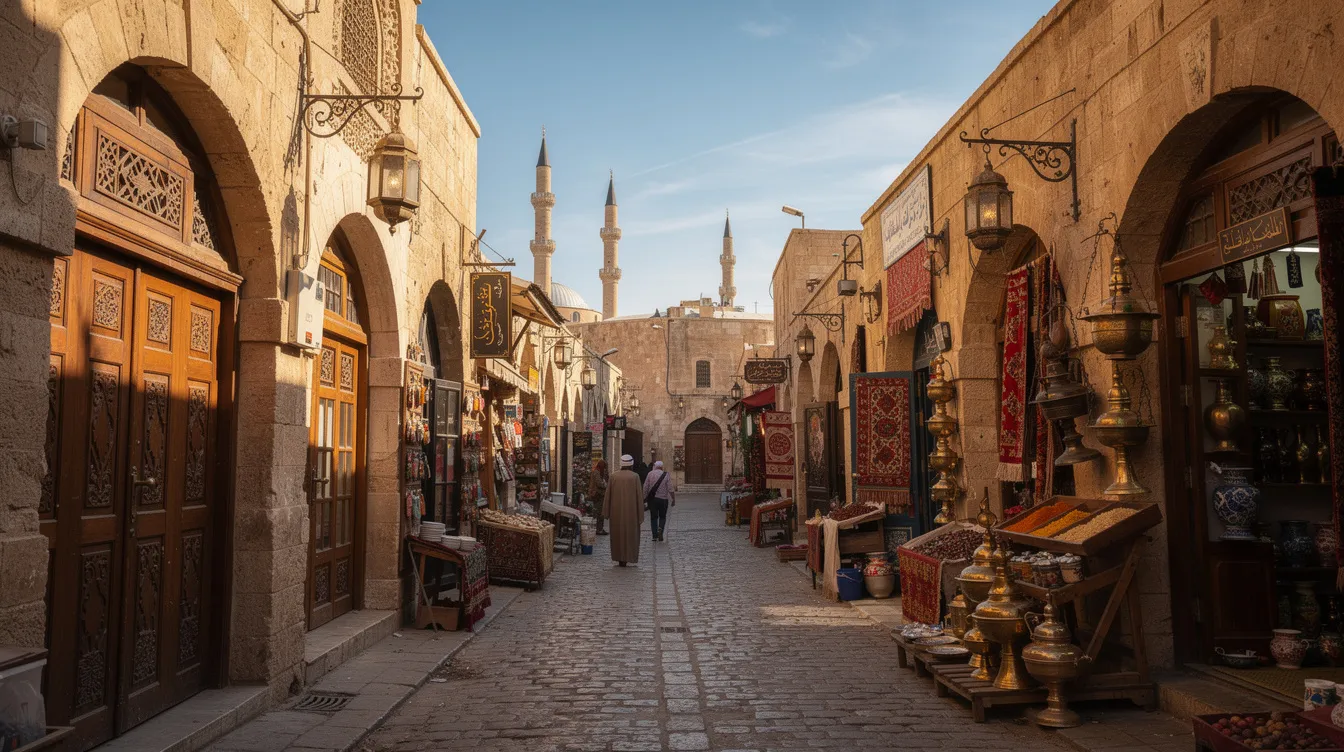
Picture a single east-west oriented lane, roughly 200 meters long and 4 to 6 meters wide, paved with uneven cobblestones and framed by vaulted stone arcades rising 4 meters overhead. The Blue Mosque’s minarets pierce the skyline above the low-rise shopfronts, creating picture-perfect photo opportunities at nearly every turn.
The atmosphere of Arasta Bazaar is vibrant, filled with the sounds of bargaining and the aromas of Turkish coffee and spices, creating an authentic shopping experience. Yet compared to the Grand Bazaar’s 500,000 daily visitors, foot traffic here rarely exceeds 200 people per hour during off-peak times. This translates to a more intimate feel with ample natural light, quieter conversations, and space to browse without being jostled.
The bazaar serves as a living workshop where traditional crafts such as silverwork and carpet weaving are demonstrated, complementing more everyday shopping at Istanbul’s supermarkets and grocery stores. Wander past shops and you’ll catch artisans hand-knotting wool piles, painting ceramic glazes, or polishing silver filigree. The sensory details are unmissable: the smell of leather tanning from Denizli-sourced hides, the lanolin scent of freshly knotted carpets dyed with madder root and indigo, the clink of tea spoons against delicate porcelain cups, and kaleidoscopic displays of nazar beads and mosaic lamps spilling onto the pavement.
Types of experiences at Arasta Bazaar:
- Shopping for authentic handcrafted items
- Watching artisans demonstrate traditional techniques
- Photographing the Blue Mosque minarets framed by arched facades
- Relaxing with a cup of Turkish tea between shops
- Browsing without aggressive sales pressure
Shopping Highlights at Arasta Bazaar
Visitors to Arasta Bazaar can expect to encounter a variety of shops selling unique items, including handmade carpets, ceramics, and souvenirs, reflecting the cultural diversity of Istanbul. The collection spans Turkey’s 2,500-year textile legacy and Ottoman ceramic renaissance, with each shop offering its own curated selection of traditional Turkish items.
Arasta Bazaar specializes in artisan-quality goods including textiles, handmade carpets, ceramics, jewelry, and antiques. While prices may run 10 to 20 percent higher than neighborhood markets like Kadıköy, the quality and authenticity are better curated for international visitors. Many shops here are run by third-generation artisans who take pride in their craft—roughly 60 percent according to 2025 chamber surveys.
Take your time, visit multiple stores, and compare craftsmanship before you purchase. The vendors here aren’t in a rush, and neither should you be.
Turkish Carpets and Kilims
Arasta Bazaar is an excellent, less overwhelming place to learn about and buy Turkish carpets compared to the chaotic Grand Bazaar. Arasta Bazaar is known for its wide variety of products, including handmade carpets, kilims, Turkish tiles, apparel, and souvenirs—but rugs remain the star attraction.
Understanding the difference between carpet types helps you make an informed choice. Hand-knotted carpets feature intricate pile work, with premium Hereke silk pieces containing over 1,000 knots per square inch and commanding prices from $200 to $5,000 per square meter. Flat-weave kilims from Cappadocia and Konya offer geometric patterns at more accessible price points ($50–$300 per square meter), with symbolic motifs like ram’s horns representing fertility.
What to expect when carpet shopping:
- Demonstrations of asymmetrical Persian knots versus symmetric Turkish göbek ties
- Explanations of natural dyes from safflower, madder root, and indigo
- Discussions of symbolic motifs like evil eye protector medallions
- Tea service while you examine inventory
- Information on regional origins: Hereke, Cappadocia, Konya, and the Aegean
Before you buy, ask for:
- Certificate of authenticity
- Knot count per square inch
- Fiber composition (wool, silk, or cotton)
- Natural versus synthetic dye confirmation
- Care and cleaning instructions
- Export documentation for duty-free thresholds
Ceramics, Iznik Tiles, and Pottery
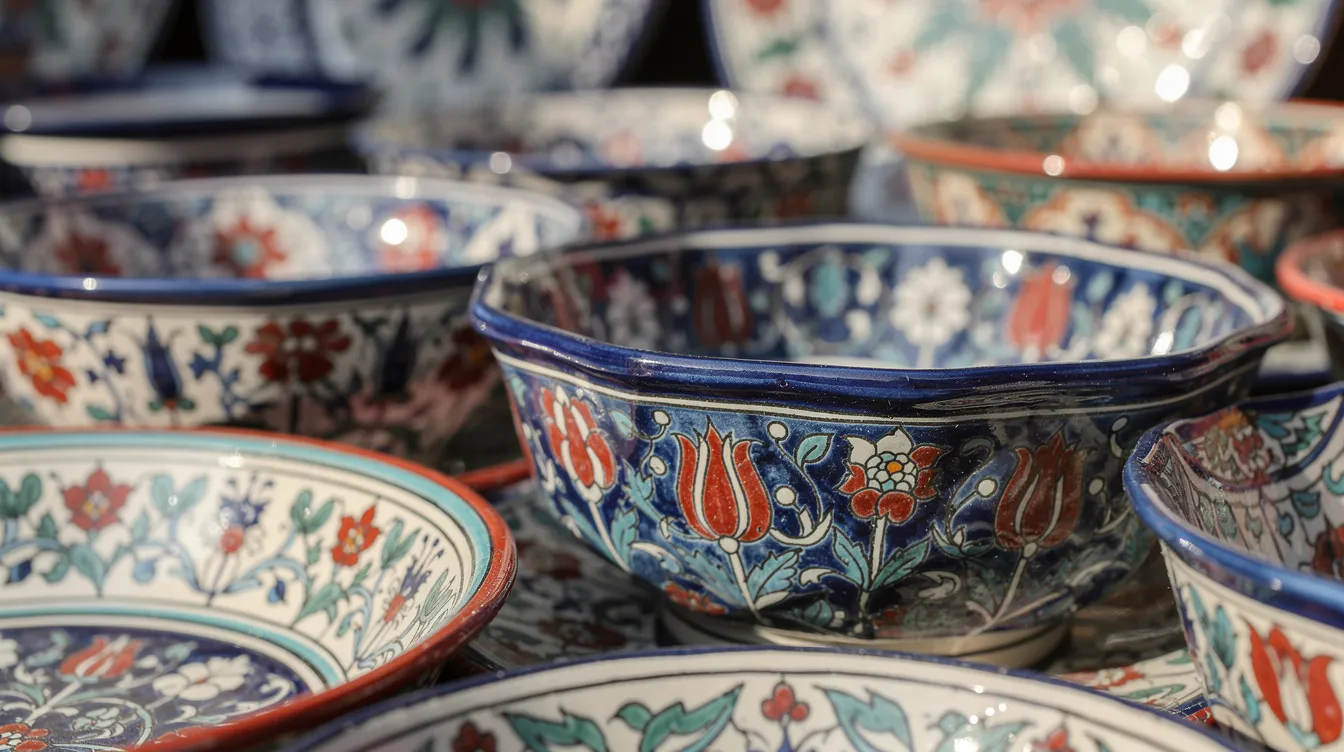
The ceramics selection at Arasta Bazaar evokes 16th-century Iznik mastery. Hand-painted plates, bowls, wall tiles, and decorative pieces feature the signature cobalt blues and tomato reds that adorn the Blue Mosque interior. These pieces are crafted using traditional techniques: quartz-paste bodies fired at 1,200°C for vitrification, producing that distinctive Ottoman luster.
When assessing quality, look for crisp, precise lines without bleeding, rich saturated colors (particularly the cobalt blue and turquoise), even glazing without crazing or cracks, and artisan signatures on the underside. Pieces recreating authentic Ottoman motifs—tulip arabesques, Röka roses, and geometric patterns—command higher prices but offer genuine art for your home.
Practical ceramic buying tips:
- Watch artisans paint where possible to verify handmade production
- Expect prices from $20 for small plates to $300+ for large tiles
- Ask about bubble-wrap packing and DHL shipping (typically $50–$200)
- Request documentation for valuable pieces
- Consider wall tiles as unique, lightweight souvenirs
Souvenirs, Textiles, and Jewelry
The bazaar features a selection of unique items such as intricately painted ceramics, ornate lanterns, Turkish delight, and spices. Beyond the showpiece categories, you’ll find a variety of memorable gifts and personal treasures.
Visitors can find a range of tourist souvenirs at Arasta Bazaar, including keychains, fridge magnets, and hats with the word ‘Istanbul’ on them. But the more discerning shopper will discover higher-quality options worth the extra investment.
Souvenir options:
- Nazar boncuğu (evil eye) charms in various sizes
- Mosaic lamps with brass frames and stained glass
- Calligraphy prints and Istanbul skyline artwork
- Lokum (Turkish delight) in gift boxes
Textiles worth considering:
- Peshtemals (traditional hammam towels): 100% cotton, 90x180cm, $15–$40
- Pashmina shawls woven from goat underwool
- Silk and cotton scarves with Oushak weaves
- Embroidered cushion covers
Jewelry quality markers:
- Look for 925 sterling silver hallmarks
- Check for 18K vermeil stamps on gold-plated pieces
- Popular stones include turquoise, lapis lazuli, and onyx
- Modern designs often incorporate Ottoman motifs
- Price range: $30–$200 for quality pieces
How to Haggle and Shop Respectfully
Haggling is an expected part of the shopping experience at Arasta Bazaar, where visitors are encouraged to negotiate prices with vendors. Turkish pazarlık culture applies in roughly 80 percent of transactions, particularly for carpets, lamps, textiles, and higher-priced items.
Arasta Bazaar maintains a cultural tradition of hospitable bargaining among shopkeepers, contrasting with high-pressure sales tactics found in busier markets. Think of it as a friendly game rather than confrontation. Quoted prices typically start 50 to 100 percent above cost, leaving room for both sides to negotiate.
Effective haggling strategy:
- Accept the offer of apple tea—it builds rapport and is never obligatory
- Start your counteroffer at 40–60% of the asking price
- Use phrases like “En iyi fiyat?” (best price?) to signal you’re serious
- Increase your offer in small increments
- Be prepared to walk away respectfully if pricing doesn’t work
- Expect to achieve 25–40% discounts on average
Etiquette do’s and don’ts:
Do | Don’t |
|---|---|
Accept tea graciously | Feel obligated to buy after a demo |
Remove shoes when invited onto carpet platforms | Touch displayed ceramics without permission |
Thank vendors even without purchasing | Haggle aggressively or lose your temper |
Ask “Is this your best price?” at fixed-price stalls | Assume every stall negotiates |
Smile and maintain friendly conversation | Rush the interaction |
Some smaller souvenir stalls and cafes operate on fixed pricing—look for “Sabit Fiyat” signs. Simply ask to clarify before beginning negotiations.
Culinary Stops: Traditional Turkish Dishes Around the Bazaar
While Arasta Bazaar focuses primarily on crafts, the surrounding streets offer 15 to 20 cafes and restaurants serving authentic Sultanahmet cuisine. This is the perfect spot to plan a meal break between exploring the Blue Mosque, stopping by the Basilica Cistern, shopping, and continuing to other sights.
Savory options to try:
- Döner kebab: Lamb or chicken rotations, typically 80 TL per portion
- Köfte: Chargrilled beef meatballs with pide bread, around 120 TL
- Gözleme: Yufka dough filled with spinach or cheese, 40 TL
- Meze platters: Hummus, haydari yogurt, and cold appetizers
Sweets you shouldn’t miss:
- Baklava: Pistachio-layered phyllo from Gaziantep, 25 TL per piece
- Künefe: Cheese-shredded semolina dessert, 60 TL
- Lokum: Rose-pistachio Turkish delight, 250g boxes around $10
Drinks:
- Türk kahvesi: Medium-roasted grounds with fortune-telling foam, 30 TL
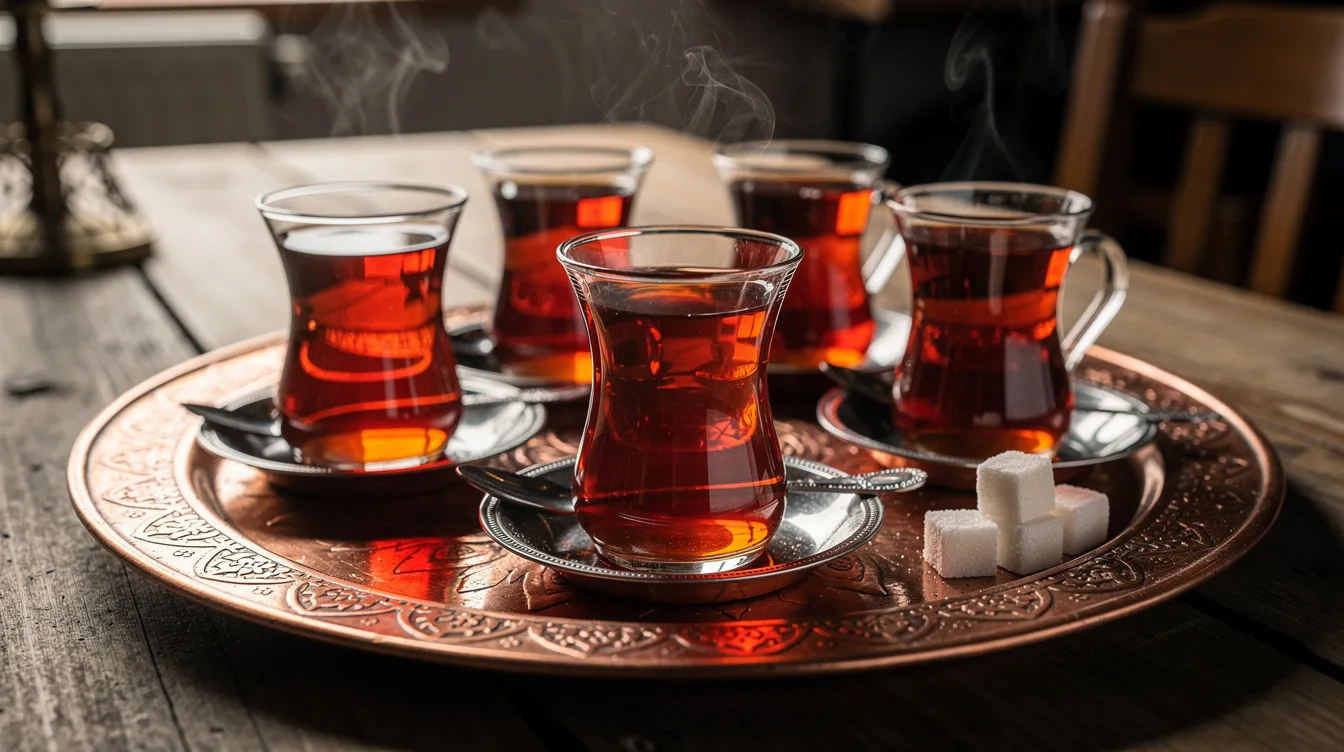
- Çay: Black tea served in tulip glasses, 20 TL
- Herbal blends and fresh juices
Look for set öğle menüleri (lunch deals) at spots like Arasta Lokantası, offering soup, main course, and dessert for 150–250 TL. Ask your vendor for recommendations—they often know the best nearby spots for authentic flavors.
Combining Arasta Bazaar with the Grand Bazaar and Nearby Sights
An efficient half-day walking route through Sultanahmet naturally places Arasta Bazaar at the heart of your itinerary. Start your morning at the Hippodrome obelisks, then explore the Blue Mosque interior before wandering into Arasta for an hour of browsing and tea. From there, it’s a straightforward 15 to 20-minute stroll to the Grand Bazaar’s Çemberlitaş entrance.
The contrast between these two markets is striking. Arasta offers a compact, calm experience with 80 shops and 15 percent haggling intensity, while the Spice Bazaar and the Grand Bazaar present 4,000+ shops in vast, labyrinthine spaces with 65 percent higher footfall. Both are worth visiting, but Arasta serves as the perfect warm-up for those who feel intimidated by larger markets.
In addition to shopping, consider pairing your visit with the Great Palace Mosaic Museum or other major mosque complexes like Süleymaniye Mosque. The entrance sits on the same lane behind Arasta Bazaar, offering a chance to discover Byzantine artwork beneath your feet for 300 TL.
Suggested half-day itinerary:
- 09:00–09:30: Hippodrome obelisks and photo stops
- 09:30–10:15: Blue Mosque visit (avoid prayer times)
- 10:15–11:30: Browse Arasta Bazaar, enjoy tea
- 11:30–12:00: Great Palace Mosaic Museum (optional)
- 12:00–13:00: Lunch at nearby restaurants
- 13:00–15:00: Walk to and explore the Grand Bazaar
This route covers approximately 5 kilometers with minimal elevation change, making it comfortable for spring and autumn visits when temperatures hover between 15–25°C.
Practical Tips for Visiting Arasta Bazaar
Best seasons to visit:
Spring (April–June) and autumn (September–October) offer ideal conditions with pleasant 25°C temperatures and fewer midday crowds than peak summer. Summer brings 35°C+ heat and 1 million monthly Sultanahmet visitors, while winter sees earlier closures around 18:00.
Payment and money:
- Most carpet and ceramics shops accept Visa and Mastercard (2–3% fees)
- Carry some Turkish lira for purchases under 100 TL
- ATMs are available every 100 meters in Sultanahmet
- Note: 2026 inflation runs around 40%, so check exchange rates before your visit
Safety and comfort:
- Incident rates are low (0.5% versus the Grand Bazaar’s 2%)
- Use cross-body bags and stay aware in narrow alleys
- Wear comfortable flat shoes for cobblestone walking
- Bring layers—mosque interiors can be 10°C cooler
- Pack a hat for UV index 8+ during summer months
Photography etiquette:
Ask “Fotoğraf çekebilir miyim?” (May I take a photo?) before photographing shop interiors or artisans at work. Consent is granted about 95% of the time, and vendors often appreciate shares that boost their visibility.
Accessibility notes:
The cobblestones can be challenging for wheelchairs and strollers. Most shops have small steps at entrances. Restrooms are available at nearby mosque facilities, free of charge for visitors, and understanding toilet facilities and etiquette in Turkey can make these stops more comfortable.
Arasta Bazaar offers a manageable, atmospheric introduction to Istanbul’s market culture—a must visit destination for anyone seeking authentic Turkish crafts without the chaos. Whether you’re searching for a hand-knotted carpet to take home, a piece of Iznik pottery that echoes Ottoman tradition, or simply the experience of sipping tea while watching artisans at work, this historic marketplace delivers.
Take your time. Let the vendors share their stories. And when you’ve found something special, enjoy the friendly game of negotiation that’s been part of Turkish commerce for centuries. Your Sultanahmet adventure wouldn’t be complete without a stroll through this charming corner of Istanbul’s past and present.