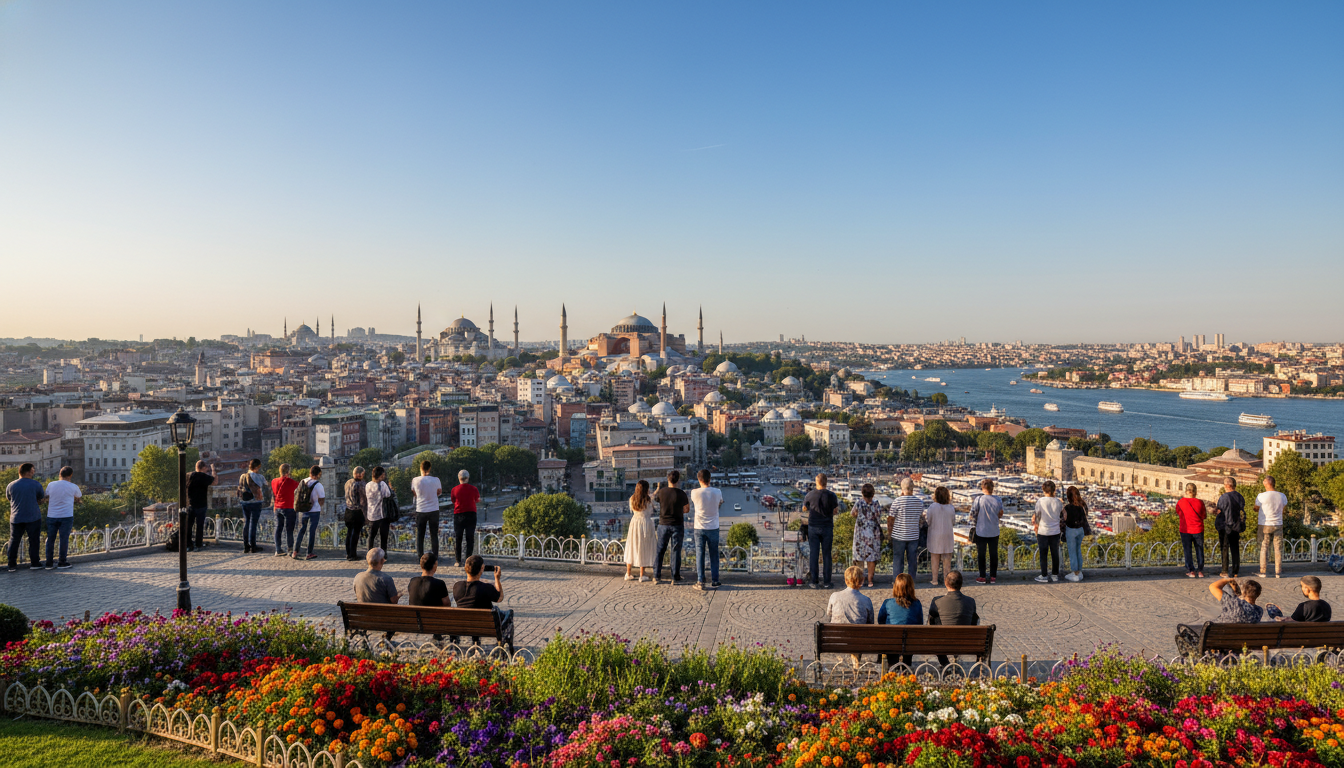
Have you ever wondered how much of a historic city you can explore without spending much money?
You can see a lot without a ticket, especially around the historic core where many grand mosques, lively bazaars, and waterfront views await.
This guide is a practical, walkable plan for a budget traveler from the United States. It focuses on a day-by-day approach, starting at the historic heart, moving across the Golden Horn and Beyoğlu, and finishing on the Asian shore.
Expect clear tips on what truly costs nothing: exterior sights, public squares, viewpoints, and simple etiquette so you respect local customs.
Follow this route and chain nearby stops to save transport costs and pack the best free highlights into your days without burning your travel money.
Key Takeaways
- Prioritize the historic core first for the biggest visual wins.
- Mix mosque exteriors, public squares, and waterfronts for variety.
- Plan each day to link nearby spots and cut transit costs.
- Bring a camera and simple photo tips to make exterior sights shine.
- Respect local customs and dress codes at religious sites.
Know Before You Go: How to Do Istanbul on a Budget
Smart clustering of sights helps you make the most of limited days and cash. Start at Sultanahmet, walk toward Eminönü, cross Galata Bridge, explore Beyoğlu/İstiklal, then take a ferry to the Asian shore.
Keep your money predictable: Do the no-cost highlights first, then pick one or two paid splurges only if they matter to you—museum entry, a short cruise, or a hammam.
Transit is simple: trams and metro run roughly 6am–midnight and accept contactless or an Istanbul card. Ferries from Eminönü/Karaköy charge a small fare and double as a scenic short cruise.
- Go early for the Blue Mosque to beat crowds; schedule mosque visits between prayer times.
- Dress modestly, women may need a head covering, and remove shoes inside mosques to avoid awkward moments.
- Avoid tourist traps like “menu photo” restaurants and common bait-and-switch street scams.
| Mode | Typical Cost | Hours | Tip |
|---|---|---|---|
| Tram / Metro | Low | 6:00–24:00 | Use Istanbul card to avoid taxi markups |
| Ferry | Low | Frequent daytime | Great short cruise and views |
| Walking | Free | All day | Cluster sights to save time |
Free Attractions in Istanbul: The Best No-Cost Sights to Add to Your Itinerary
Build a short, practical shortlist so you hit history, markets, and views without overscheduling. Start by grouping places into five easy categories: historic squares, free-entry mosques, iconic markets for browsing, bridge and waterfront views, and neighborhood strolls.
Use the list to craft each day: pick 3–5 stops, keep walking distances realistic, and take transit only when it saves energy. Add one pay-what-you-like walking tour early on to get local context and routes.
Know what’s truly free to enter versus what you only enjoy from outside. Some top attractions charge for interior access. Plan to photograph exteriors and savor public squares when tickets are posted.
For first-timers, follow this order: Sultanahmet Square → Blue Mosque → Hagia Sophia viewpoints → bazaars → Galata Bridge → Beyoğlu. Expect crowds at peak hours; go earlier or return at dusk to avoid lines.
- Browse bazaars without buying—street life and smells are part of the experience.
- Pick one quieter mosque if crowds are heavy.
- Keep a compact route and you’ll see the best free places without rush.
Sultanahmet Square: The Historic Heart of the City
Start your day at Sultanahmet Square, where the Blue Mosque and Hagia Sophia sit just minutes apart. This compact area is the best place to begin walking tours and get your bearings.
The square was once the Roman Hippodrome, a chariot course that shaped the spine of public life for years. Look for surviving relics along that central axis: the Obelisk of Theodosius, ancient columns, and historic fountain features that mark the old track.
“This square feels like the city’s living memory—open, layered, and easy to read.”
Use Sultanahmet as a base for the day. It reduces walking between major building viewpoints and gives you time to watch local people and street rhythm without spending money.
- Photo plan: arrive early for clean light; return at blue hour for lit minarets.
- Look for the obelisk, columns, and nearby exterior walls that hint at the past.
- Pair this stop with Blue Mosque and Hagia Sophia viewpoints to maximize impact.
Blue Mosque: A Must-See Free Mosque Experience
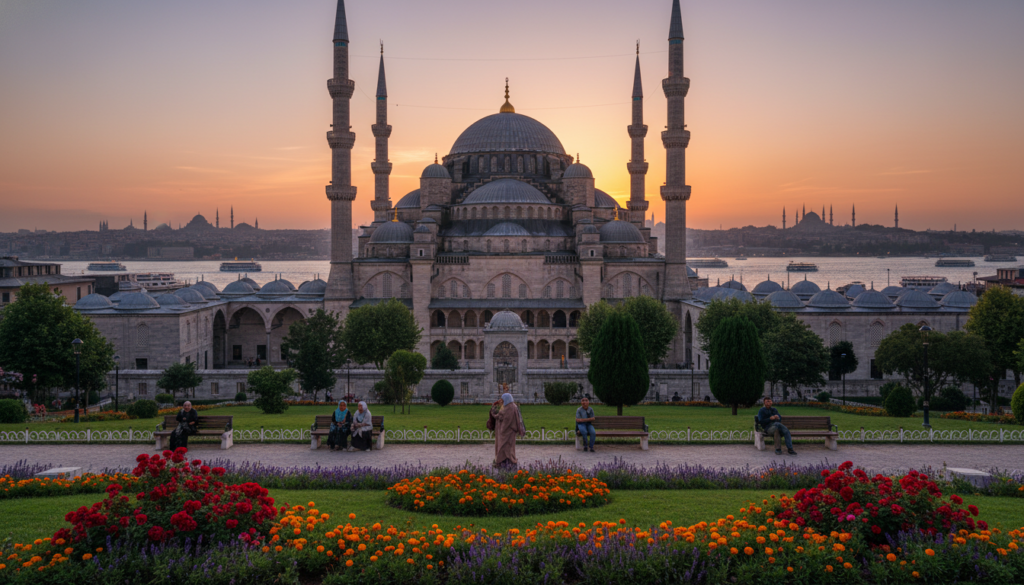
Make the Blue Mosque your priority stop for a spectacular interior that costs nothing to visit. The blue mosque welcomes visitors, but lines can reach an hour at peak hours. Opening times vary, so allow flexible time on your schedule.
How to visit without stress: arrive early, skip prayer times, and expect simple security checks. If you’re short on time, prioritize this interior visit over paid towers or museums nearby.
- Dress rules: cover shoulders and legs; women should wear a scarf. Scarves are often available to borrow, and you must remove shoes at the entrance.
- What to look for: thousands of Iznik tiles, stained-glass light, ascending domes, and elegant calligraphy symmetry.
- Respectful tip: keep voices low, watch for worshippers, and follow staff directions to avoid interruptions.
- Pairing: step back into Sultanahmet Square for photos and other best free places nearby.
“Visit with patience and a quiet step — the space rewards slow looking.”
Hagia Sophia Without Paying: The Best Free Views and Photo Spots
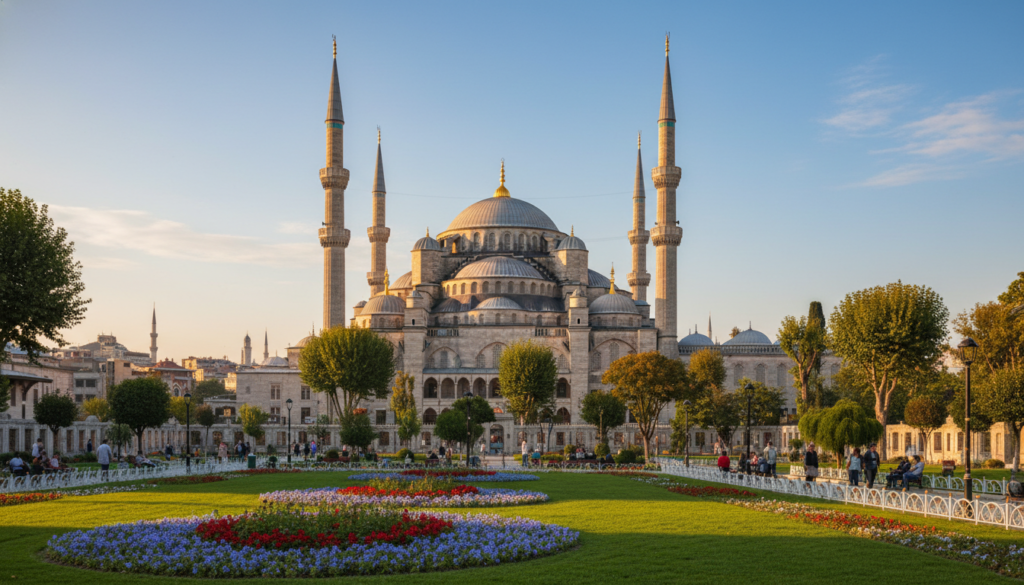
You can still admire Hagia Sophia’s silhouette without paying to enter, and a few vantage points make great photos.
Set expectations: since January 2024 most foreign tourists pay a fee to go inside (commonly cited around €25). That means your visit will focus on exterior views and composition rather than interior access.
Top sightlines: Sultan Ahmet Park offers classic frontal angles and reflective puddle shots after rain. Nearby streets and open plazas provide different scales for the building’s massing.
Rooftop hack: Seven Hills Restaurant has a rooftop terrace where you can take elevated photos for little or no cost if you order a small item or ask politely to use the view briefly.
“Seeing the exterior allows you to appreciate the Byzantine massing against Ottoman minarets — a visual story told from outside.”
- Shoot at sunrise for soft light and fewer people.
- Use park reflections and framing with trees to add depth.
- Walk downhill afterward toward bazaars and the Golden Horn for a smooth loop.
| Spot | Why go | Tip |
|---|---|---|
| Sultan Ahmet Park | Wide frontal view and reflections | Arrive at sunrise for empty foregrounds |
| Seven Hills Rooftop | Elevated skyline photos | Ask for a small order and bring a wide lens |
| Side streets & plazas | Different scales and details of the building | Look for contrasts with nearby Ottoman structures |
Budget reality check: if you choose to pay the entry price, plan it as a deliberate splurge. Otherwise, the exterior viewpoints still deliver iconic images and a meaningful visit without interior access for tourists.
Süleymaniye Mosque: Free Entry and One of the Best Views in Istanbul
Süleymaniye sits a short walk from the busiest routes, offering quieter courtyards and broad skyline views. You’ll find fewer crowds here and more room to breathe compared with the main historic cluster.
Why stop here if your schedule is tight? The mosque gives you one of the best free view corridors over the Bosphorus and Golden Horn. That makes it an ideal pause between bazaars and the waterfront.
The atmosphere feels calmer than the Blue Mosque. Locals pray and families stroll the gardens. You get more space to linger and absorb city rhythms.
“Süleymaniye rewards slow footsteps: listen, look, and let the terraces open the city up.”
Practical tips: modest dress and a scarf for women, shoes off inside, and avoid visiting during main prayer minutes to enter smoothly.
- Best photo spots: the garden terraces facing the Golden Horn and the rooftop edges for wide water and rooftop shots.
- Simple route: visit after browsing the bazaars or before heading down to Eminönü to avoid backtracking.
- Quick historical note: a grand Ottoman-era complex, it has dominated the skyline for centuries and still frames the city’s silhouette.
| Feature | Why it matters | Tip |
|---|---|---|
| Crowds | Generally lighter than central sites | Go mid-morning for quiet |
| Views | Wide outlooks over water and roofs | Sit on a terrace to watch light change |
| Access | Open entry with modest dress rules | Bring a scarf and remove shoes |
Grand Bazaar: A Free Walk Through One of the World’s Oldest Shopping Centers
The Grand Bazaar feels like a small city under a single roof. Dating back to 1461, it houses around 2,500 stalls and many winding lanes. Browsing costs nothing, but prices often run high, so treat the space as a living museum of commerce and craft rather than a mall.
Know before you go: the bazaar is closed on Sundays and its scale can disorient you. Pick a couple of main lanes to explore and keep a landmark or exit in mind so you don’t get turned around.
Handle vendors politely: smile, say “no thank you,” and keep walking if you’re not buying. You should not feel pressured to make a purchase; many shops cater to tourists and prices vary widely.
Look up as much as you look at goods. Notice the arches, hanging lamps, carved wood, and textured ceilings—those details make the place feel like more than shopping.
- Decide your souvenir money before entering to avoid impulse buys.
- Pair this stop with the nearby Spice Bazaar for a contrasting, smaller market vibe.
- Take photos of details and enjoy the alive street rhythm—the atmosphere is the best thing here.
Treat the Grand Bazaar like a living museum — listen, look, and let the alleys reveal their history.
Spice Bazaar: Smells, Samples, and Strolling for Free
Step into the Spice Bazaar and let the aromas guide you through a compact maze of stalls and tastes.
Go for the sensory show: focus on colors, piles of dried herbs, and small tins rather than buying right away. Many vendors offer tastings, so sample wisely and only purchase after you compare prices.
Typical things you’ll find include spices, teas, dried fruit, and Turkish delight. The market is smaller than the Grand Bazaar and laid out in an L-shaped loop, so you can do a full circuit fast and revisit any favorite shops.
- Money tip: if a price seems high, step outside to adjacent streets for less tourist-focused options.
- Quality cues: choose sealed packaging, clear labels, and bright colors as signs of freshness.
- Etiquette: tasting is common; decline politely and keep strolling if you don’t want to buy.
How it fits your route: slot this stop between the Grand Bazaar and Galata Bridge, then walk down to the Eminönü waterfront to reset your senses and grab classic Golden Horn views.
Galata Bridge and the Golden Horn: Classic Views, Fishermen, and Street Energy
Crossing the Galata Bridge offers a lively slice of city life. The span links Eminönü and Karaköy and hums with foot traffic, cars, and vendors. It works as both viewpoint and street theater.
Along the railings, fishermen stand shoulder-to-shoulder. Ferries and small boats cut across the water while the skyline of mosques and roofs unfolds toward the Golden Horn.
Sensory note: near the lines of fishermen you may notice a strong fish smell on warm days. It is part of the scene, so plan quick stops if that bothers you.
- Photo game: pause mid-bridge for wide skyline shots; turn toward the Golden Horn for layered depth.
- Safety tip: ignore the shoe-cleaner “dropped brush” trick—keep walking to avoid pressure to pay.
- Where next: head into Karaköy for cafes and side streets, or loop back toward the bazaars on the old side.
“You don’t need a paid cruise to enjoy the water—this bridge walk gives iconic views and a true feel for the area.”
Galata Tower Area: The Best Way to Enjoy the Landmark for Free
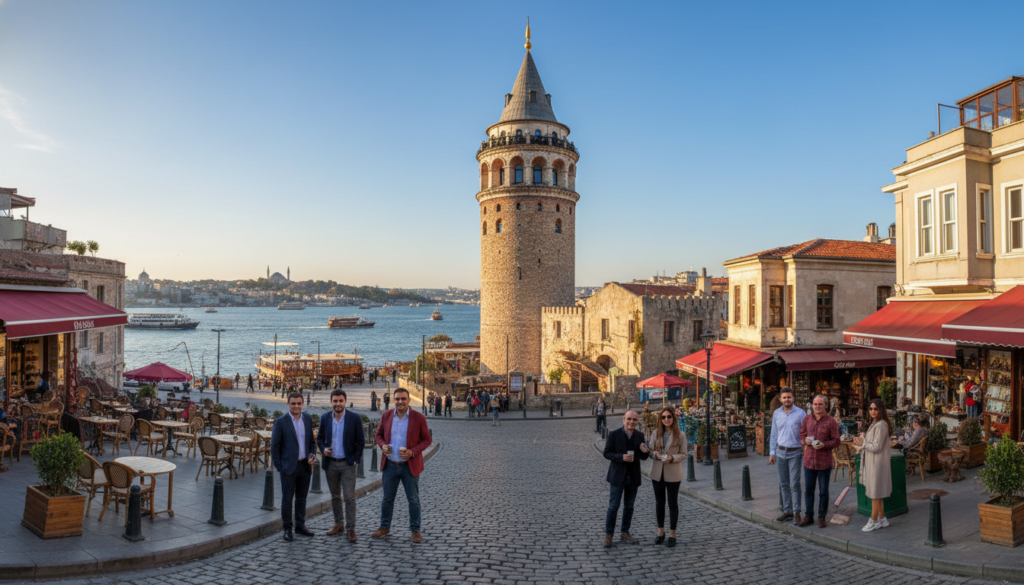
From cobbled alleys to rooftop cafes, the area around the Galata Tower rewards casual wandering. You can frame the tower from streets where locals sip coffee and musicians play.
How to do Galata Tower on a budget: skip the ticket and focus on street-level angles along Büyük Hendek Street and nearby lanes. These viewpoints give dramatic photos without a line or a steep price.
Trade-off: you will miss the paid panoramic view at the top, but you keep flexibility, save cash for other experiences, and avoid tourist crowds.
- Approach from Karaköy and wander uphill toward the tower.
- Visit twice—daytime for details, dusk for lights and atmosphere.
- Save more with family travel: skipping entry can cut a meaningful cost.
“Enjoy the tower by moving through the neighborhood—photos, ambience, and motion replace a rooftop queue.”
Istiklal Avenue and Taksim Square: Free Things to Do in Modern Istanbul
Istiklal Avenue is the city’s modern pulse, a long street where historic facades meet contemporary life. You don’t need to shop to enjoy it; people-watching, window displays, and street music are all part of the experience.
The red tram is the icon here. You can photograph it, step into side alleys for quieter frames, and avoid peak tram crowds by timing your walk early or late. That gives you the scene without the ride.
Walk from Galata/Beyoğlu upward and finish at Taksim Square for a clear finish line. Along the way you’ll see passageways, theaters, historic details, and street performers—simple things that show the city’s modern side.
Restaurants and cafes line the avenue and range from budget bites to tourist-priced spots. Browse menus and keep moving; if you need a cheap pause, duck into side streets for calmer options and lower prices.
“Istiklal delivers evening energy and urban variety—you get the city’s present-day rhythm without spending a lot.”
| Spot | What to enjoy | Tip |
|---|---|---|
| Istiklal Avenue | Historic facades, street music | Start near Galata and walk up |
| Red Tram | Iconic photos and motion shots | Photograph from side alleys to avoid crowds |
| Taksim Square | Street performers, public pulse | Use as your route endpoint |
Neighborhood Wanders: Colorful Streets Beyond the Main Tourist Core
Wandering away from the main loop rewards you with narrow lanes, painted facades, and quieter local life.
Head to Fener and Balat for the headline district of colorful houses, street art, and layered history. You can reach these streets by tram, ferry, bus, or a walk from Eminönü. The light here is photogenic and the scenes feel lived-in rather than staged.
Respect the residents: keep noise low, avoid blocking doorways, and ask before photographing people on private steps. These are real neighborhoods with families and pets.
Combine this visit with the Golden Horn area or use local ferry lines to save steps. The Walls of Constantinople remain visible near some routes, and their old stones pair well with colorful building fronts for layered photos.
“Wandering here often yields the most memorable free things: a laundry line, a sunlit alley, a stray cat on a windowsill.”
- Quick stops: colorful facades, street art panels, hilltop lookouts.
- Photo checklist: cats, laundry lines, painted doors, staircases, wall murals.
- Near Taksim: explore Cihangir and Çukurcuma for boutique windows and quieter steps.
Why it matters: you control pace and spending. Slow wandering reveals small places the guidebooks miss and shows how older walls and newer life intersect across the city.

Asian Side on a Shoestring: Kadıköy, Üsküdar, and Waterfront Views
Take a short ferry ride and you’ll find a calmer, more local side of the city across the water. The crossing feels like a cheap cruise: a small fare, brisk breezes, and wide water views as the skyline recedes behind you.
Spend a half day wandering Kadıköy’s markets, cafes, and lanes. You’ll see street life, murals, and food stalls that cost little to enjoy. Stroll, sample a pastry, and sit at a seaside bench to watch ferries glide by.
Then head to Üsküdar for classic postcard views back toward the European side. The waterfront walk is a calm place to rest and photograph the silhouette of domes and minarets at golden hour.
Maiden’s Tower reads well from the shore or a passing ferry, so skip the pricey entry if you’re tight on money. You still get the icon and evening light without the ticket queue.
“Plan your crossing near sunset for the best light and fewer crowds.”
- Half-day plan: ferry over, wander Kadıköy, walk to the coast, end at Üsküdar for sunset.
- Why go: a different pace, local places, and great water views that balance a packed itinerary.
- Shoestring tip: focus on strolling and viewpoints; ferry fare is the main cost.
| Spot | Why visit | Best time |
|---|---|---|
| Kadıköy | Lively markets, cafes, street life | Morning–afternoon |
| Üsküdar Waterfront | Skyline views of the European side | Golden hour / evening |
| Ferry Ride | Cheap cruise with layered water views | Late afternoon for light |
Conclusion
Wrap your trip with a simple plan that favors walking, lookout points, and slow moments.
Build days around walkable areas, mosque courtyards, and landmark viewpoints. The best way to do this is to link Sultanahmet Square, the Blue Mosque, Hagia Sophia viewpoints, Süleymaniye, the bazaars, Galata Bridge and Golden Horn, Galata Tower streets, and Istiklal/Taksim for a compact route of high-impact things.
Take your time: the city rewards slow travel. Use the Golden Horn as your connector to move between historic and modern zones without extra cost. Choose experiences over purchases — photos, people-watching, architecture, and waterfront walks deliver the most value.
When you do spend, spend on one memorable meal or unique experience. Mix these places based on your interests and you’ll leave knowing this city offers top sights and many free things on a tight budget.
FAQ
What are the top no-cost sights you should prioritize on your first day?
Start at Sultanahmet Square to take in the exterior views of Hagia Sophia and the Blue Mosque, stroll through the Spice Bazaar area, then walk across the Galata Bridge at sunset for classic waterfront scenes and local fishermen.
Can you enter the Blue Mosque without paying, and are there any rules to follow?
Yes, you can enter the Blue Mosque without an entrance fee. Dress modestly, remove your shoes, and respect prayer times. Women should carry a scarf for head covering when required, and avoid visiting during Friday midday prayers.
Are there ways to see Hagia Sophia’s highlights without buying a ticket?
You can admire Hagia Sophia’s exterior, take photos in Sultanahmet Square, and enjoy views from nearby cafés and the surrounding gardens. For interior access you’ll need a ticket, but the outside vistas and nearby viewpoints still offer memorable perspectives.
How can you enjoy Galata Tower area without paying the tower’s admission fee?
Explore the surrounding streets of Karaköy and Galata, climb the slopes and terraces for panoramic views, and use rooftop cafés or the Galata Bridge approaches for excellent photo opportunities without going inside the tower.
Is walking through the Grand Bazaar and Spice Bazaar really free, and what should you expect?
Yes, entry is free. Expect busy lanes, colorful shops, and vendors who will invite you to look and sample. Browsing is free, but haggling is common if you decide to buy. Watch for crowded areas and keep belongings secure.
What are budget-friendly ways to explore the Asian side, like Kadıköy and Üsküdar?
Take a public ferry for affordable waterfront transit, wander Kadıköy’s markets and streets, visit Üsküdar’s waterfront and mosques, and enjoy seaside promenades for panoramic views of the city skyline at little to no cost.
When is the best time to visit busy spots such as Istiklal Avenue and Taksim Square to avoid crowds?
Early mornings on weekdays are calmer. Late evenings and weekends are busiest. If you prefer quieter strolls, go before shops open or after dinner when foot traffic thins.
Are there free viewpoints that offer excellent photos of the Golden Horn and city skyline?
Yes. Walk the Galata Bridge, head to the Süleymaniye Mosque terraces, or climb the streets near Galata for unobstructed skyline shots. The Asian shorelines also provide lovely reflections and skyline silhouettes.
How can you experience local street life and markets without spending much money?
Sample small, inexpensive street foods, window-shop in neighborhoods like Balat and Kadıköy, watch fishermen on the bridges, and visit local parks and waterfront promenades to soak up daily rhythms without large expenses.
Do public transportation options fit a shoestring itinerary, and which ones are most useful?
Yes. Trams, ferries, and metros are affordable and efficient. Use the Eminönü–Taksim routes, public ferries to the Asian side, and the historic tram on İstiklal Avenue to move between major areas on a budget.