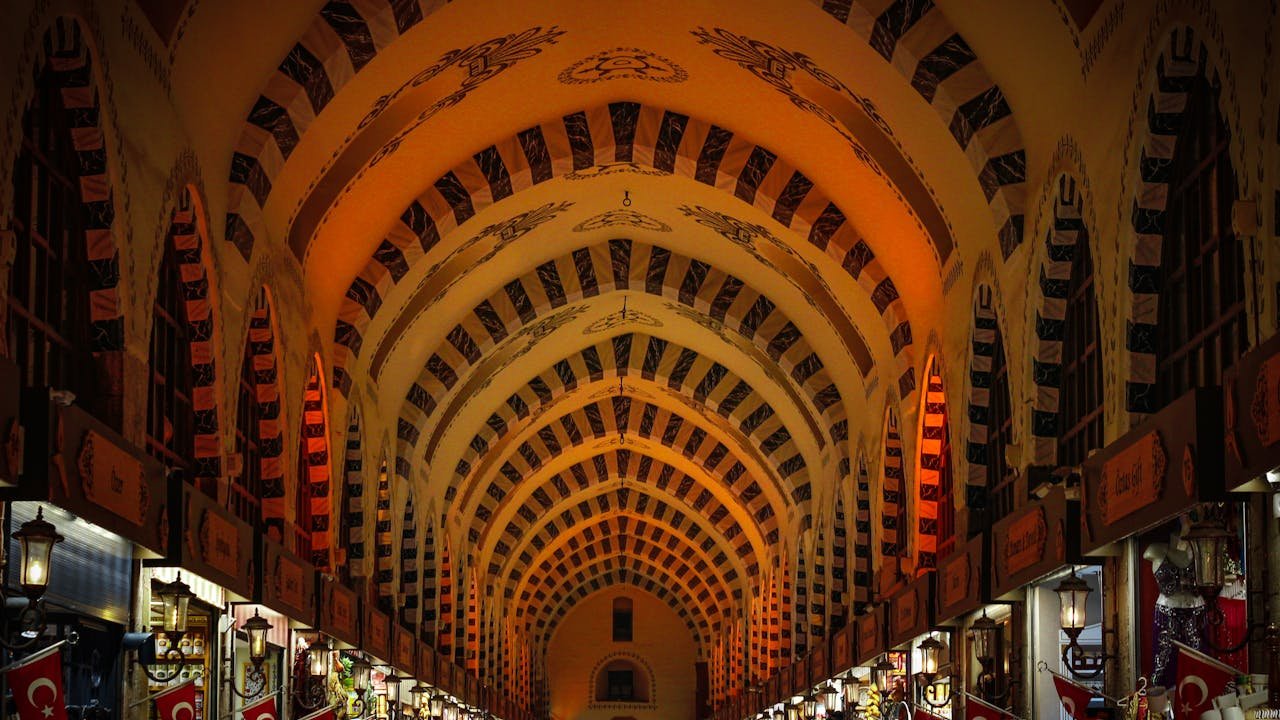
The Grand Bazaar in Istanbul is one of the world’s oldest and largest covered markets, a dazzling labyrinth of colors, scents, and history. For centuries, the Grand Bazaar in Istanbul has been the beating heart of the city’s trade and craftsmanship. Whether you’re a first-time visitor or a seasoned traveler, the Grand Bazaar promises a unique experience filled with stories, sights, and sounds you won’t forget. Here’s everything you need to know before your visit to the Istanbul Grand Bazaar.
Visitor Information
Opening Hours:
- ⏰ Monday to Saturday: 08:30/09:00 AM – 7:00 PM
- 🚪 Closed on Sundays and the first day of major religious holidays.
- 🕕 Shops start closing gradually around 6:30 PM, so aim to arrive earlier if you want the full Grand Bazaar Istanbul experience.
Entry Fee: 🎟️ Free — you only pay for what you buy, though some workshops or guided tours may charge fees.
Address: 📍 Kalpakçılar Cd. No:22, Beyazıt, Fatih, 34126 Istanbul.
Transportation:
- 🚋 Tram (T1 Line): Stops at Beyazıt – Kapalıçarşı, Çemberlitaş, or Kapalıçarşı are the easiest access points. The tram is usually busy, so try traveling outside of peak commuter hours.
- 🚶 On Foot: A short 10–15 minute walk from Sultanahmet and Hagia Sophia via Nuruosmaniye Street. Walking in lets you enjoy the charming alleys that lead into the Grand Bazaar Istanbul.
- 🚢 From Eminönü/Cruise Port: Around 45–60 minutes on foot or 10–15 minutes by tram, making it convenient for cruise passengers.
Entrances: 🚪 The Grand Bazaar Istanbul has over 20 gates, with the most popular being Beyazıt Gate and Nuruosmaniye Gate. Each gate offers a slightly different experience: Nuruosmaniye is grand and elegant, while Beyazıt is more local and busy.
Best Times to Visit:
- 🌅 Go early morning right after opening to explore with fewer crowds.
- 🌇 Late afternoon after 5:30 PM offers another quieter time before closing.
- 📆 Weekdays (Tuesday–Thursday) are calmer than weekends, when both locals and tourists pack the aisles of the Grand Bazaar.
Accessibility: ♿ The Istanbul Grand Bazaar is generally wheelchair accessible, though surfaces vary from smooth marble to cobblestones. The T1 tram line is wheelchair-friendly, but often crowded — patience is needed.
What You’ll Find Inside
The Grand Bazaar Istanbul spans 61 covered streets and over 4,000 shops. Traditionally, trades were grouped by type, and many of those traditions remain today. Expect to find:
- 💍 Jewelry & Gold: Centuries-old shops showcasing Ottoman-style designs, antique treasures, and sleek modern pieces. Goldsmithing has been at the heart of the bazaar for centuries, and many families continue to run multi-generational businesses here.
- 🧵 Carpets & Kilims: Handmade Turkish rugs in vivid colors, each with unique motifs and weaving traditions. These carpets often reflect the culture of the region where they were made. Shopkeepers love to explain the stories woven into each design.
- 🏺 Ceramics & Tiles: Hand-painted bowls, plates, and Iznik-inspired tiles with intricate patterns. Perfect as gifts or keepsakes, many of these are still painted by hand using centuries-old techniques.
- 👕 Textiles & Leather: Scarves, shawls, and finely crafted leather jackets, handbags, and belts. You’ll also find luxurious pashminas and colorful fabrics.
- 🍬 Spices & Sweets: Although the Spice Bazaar is better known for food, the Grand Bazaar Istanbul also sells Turkish delight, saffron, dried fruits, and herbal teas. Many shops offer samples to entice you.
- 🏮 Lamps & Lanterns: Vibrant mosaic glass lamps that light up entire alleys with their glow. Watching them sparkle in different colors is an unforgettable experience.
At its heart, you’ll find two historic halls:
- 🏛️ Cevahir (İç) Bedesteni: Built in the 15th century, once a secure trading center for luxury goods and valuables. Its thick walls and vaults make it one of the bazaar’s most historically significant sections.
- 🧶 Sandal Bedesteni: Traditionally used for textile and carpet trade, and later as an auction space. Today, it remains an important part of the bazaar’s heritage.
Nearby, Mahmutpaşa Bazaar connects the Grand Bazaar to Eminönü. It’s famous for affordable textiles, daily wear, and household items, making it a favorite among locals.
History & Significance
The Grand Bazaar Istanbul was founded around 1460–1461 under Sultan Mehmed II (Fatih) after his conquest of Constantinople. It became part of the Ottoman vakıf (endowment) system, which funded major monuments, including Hagia Sophia. Over the centuries, the Grand Bazaar has endured fires, earthquakes, and multiple restorations that shaped its current form.
The Istanbul Grand Bazaar was more than just a market — it was the commercial hub of the Ottoman Empire, connecting Asia, Europe, and Africa. Merchants traded everything from silk and spices to jewels and weapons. Guilds operated here, organizing trades and maintaining quality standards.
As the center of Mediterranean trade, the Grand Bazaar Istanbul became world-renowned for goldsmithing, textiles, and luxury goods. Today, it continues to thrive as a living symbol of Istanbul’s cultural and commercial heritage, attracting millions of visitors every year.
Events & Workshops
While the Grand Bazaar itself is primarily a working marketplace, visitors can explore artisan workshops and cultural experiences in and around it, including:
- 🧶 Carpet Weaving Workshops: Learn the art of double-knot weaving with master artisans, and even create your own small sample to take home. These workshops highlight the patience and skill needed to craft a Turkish carpet.
- ✒️ Turkish Calligraphy (Hat) Classes: Hands-on courses where you’ll work with traditional inks and papers. Many classes end with you creating your own decorative artwork, often framed as a keepsake.
- 💎 Jewelry Craft Demos: Some shops offer behind-the-scenes looks at goldsmithing traditions. Watching a craftsman shape gold or silver into intricate designs is both educational and mesmerizing.
- 🧉 Tea-Tasting Experiences: Several shops invite visitors to taste different Turkish teas — from classic black tea to herbal blends — as part of the shopping ritual.
These experiences give travelers a chance to do more than shop — they allow you to connect with Istanbul’s artisans and centuries-old traditions inside and near the Grand Bazaar Istanbul.
Practical Tips
- 🤝 Haggling is part of the culture. Start lower than the asking price and negotiate politely. Bargaining is expected and can be fun.
- 🔍 Compare prices — the Grand Bazaar Istanbul is massive, and many stalls sell similar goods. Don’t rush to buy at the first shop you see.
- 📦 Ask about international shipping if buying carpets, lamps, or ceramics. Many vendors ship worldwide, but always check the details and costs in advance.
- 🧭 Stay oriented: Note your entry gate, or use Kalpakçılar Caddesi (the main street) to navigate. Taking photos of landmarks inside the Grand Bazaar helps you find your way back.
- 👟 Wear comfy shoes — you’ll be walking a lot. The bazaar’s maze-like layout makes exploring both exciting and exhausting.
- 💧 Stay hydrated — it can get hot, especially in summer months. Small cafés inside sell tea, water, and fresh juice.
- 📱 Download an offline map — GPS often struggles inside the bazaar, but a saved map can help.
- 🎁 Set a budget — with so many temptations, it’s easy to overspend at the Istanbul Grand Bazaar.
Traveler Reviews
- ⭐ “A must-see maze, but go early to really enjoy the Grand Bazaar Istanbul without the rush. The energy of the place is unforgettable.”
- ⭐ “Prices can be high, but haggling makes it fun — I got a carpet shipped home hassle-free, and it arrived in perfect condition.”
- ⭐ “You can get lost easily, but that’s part of the charm. Every alley in the Grand Bazaar has a surprise waiting for you, from hidden cafés to antique shops.”
- ⭐ “It’s not just about shopping — it’s about soaking up history, culture, and atmosphere inside the Istanbul Grand Bazaar.”
Nearby Attractions
- 🌶️ Spice Bazaar (Mısır Çarşısı): A food-focused market perfect for buying Turkish delight, spices, coffee, and dried fruits. The atmosphere is aromatic and colorful.
- 🕌 Nuruosmaniye Mosque: An 18th-century Ottoman Baroque gem with a serene interior, located right by the Nuruosmaniye entrance.
- 🏙️ Beyazıt Square & Mosque: A bustling square anchoring the Grand Bazaar Istanbul’s western side, surrounded by cafés and shops, making it a lively spot for people-watching.
- 📚 Süleymaniye Library & Mosque: Just a short walk away, offering breathtaking views of the Golden Horn.
- 🏰 Topkapı Palace & Hagia Sophia: Both within walking distance, perfect for combining with a Grand Bazaar Istanbul visit.
FAQ
🎟️ No, entry to the Grand Bazaar Istanbul is completely free. Workshops or guided tours may charge fees.
⏰ Mon–Sat: 08:30/09:00 AM – 7:00 PM; closed Sundays and first day of major religious holidays.
🚪 Use Beyazıt Gate for a bustling start or Nuruosmaniye Gate for a more elegant entrance into the Grand Bazaar.
♿ Yes, mostly — though some alleys have uneven cobbles. Assistance may be helpful in crowded areas.
💳 Many shops in the Istanbul Grand Bazaar accept cards, but cash is often preferred, especially for haggling.
🗣️ Many vendors speak basic English, and some are fluent. Don’t be surprised if you hear several languages spoken in the same shop.
Final Thoughts
The Grand Bazaar Istanbul isn’t just a shopping center; it’s a journey through Istanbul’s history, culture, and artistry. From dazzling jewelry to centuries-old rug-weaving traditions, every alley tells a story. Whether you’re here to shop, learn, taste, or simply soak up the atmosphere, a visit to the Istanbul Grand Bazaar is an unforgettable highlight of any trip. Take your time, get lost in the maze, enjoy a cup of Turkish tea with shopkeepers, and let yourself be swept away by the magic of one of the world’s greatest marketplaces.