
Exploring iconic landmarks to visit in Istanbul is an unforgettable experience that blends history, culture, and breathtaking architecture. This vibrant city, straddling two continents, boasts remarkable sites like the Hagia Sophia, a stunning masterpiece of Byzantine art, and the Blue Mosque, with its exquisite domes and minarets. From the bustling Grand Bazaar to the serene Bosphorus shores, Istanbul offers an incredible array of attractions that showcase its rich heritage and unique charm.
Discover 10 Iconic Landmarks to Visit in Istanbul
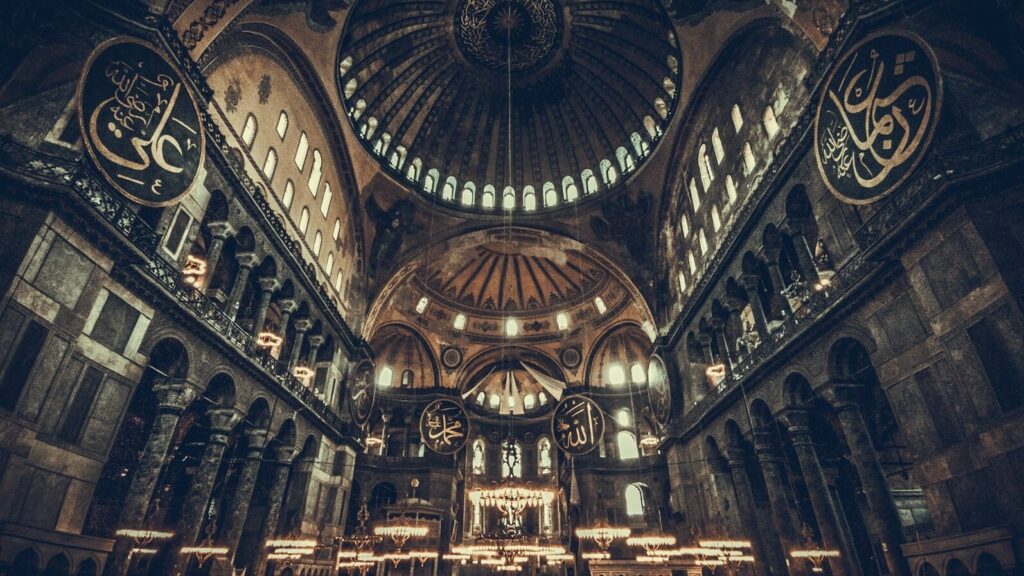
Hagia Sophia: The Jewel of Byzantine Architecture
A former cathedral, mosque, and now a museum, Hagia Sophia is a masterpiece that showcases breathtaking Byzantine architecture, intricate mosaics, and centuries of rich history. It stands as one of Istanbul’s most iconic landmarks, attracting millions of visitors every year.
- Former cathedral: Originally built in 537 AD during the Byzantine Empire under Emperor Justinian I, it was the largest Christian church of its time and a symbol of the empire’s power and architectural ingenuity.
- Mosque: After the Ottoman conquest of Constantinople in 1453, Hagia Sophia was converted into a mosque by Sultan Mehmet II, with minarets and Islamic calligraphy added to complement its Christian heritage.
- Museum: In 1935, under the leadership of Mustafa Kemal Atatürk, it was transformed into a museum, preserving elements of both Christian and Islamic history, making it a symbol of cultural harmony.
- Byzantine architecture: Famous for its massive dome, which appears to float due to innovative engineering, and its intricate designs, Hagia Sophia remains an architectural wonder admired worldwide.
- Intricate mosaics: Its walls are adorned with detailed mosaics depicting religious figures such as Christ, the Virgin Mary, and saints, alongside Islamic elements, telling the story of its unique transformation over centuries.
Hagia Sophia stands not just as a building but as a living testament to the layers of history, culture, and artistry that have shaped Istanbul.
The Blue Mosque: A Masterpiece of Ottoman Design
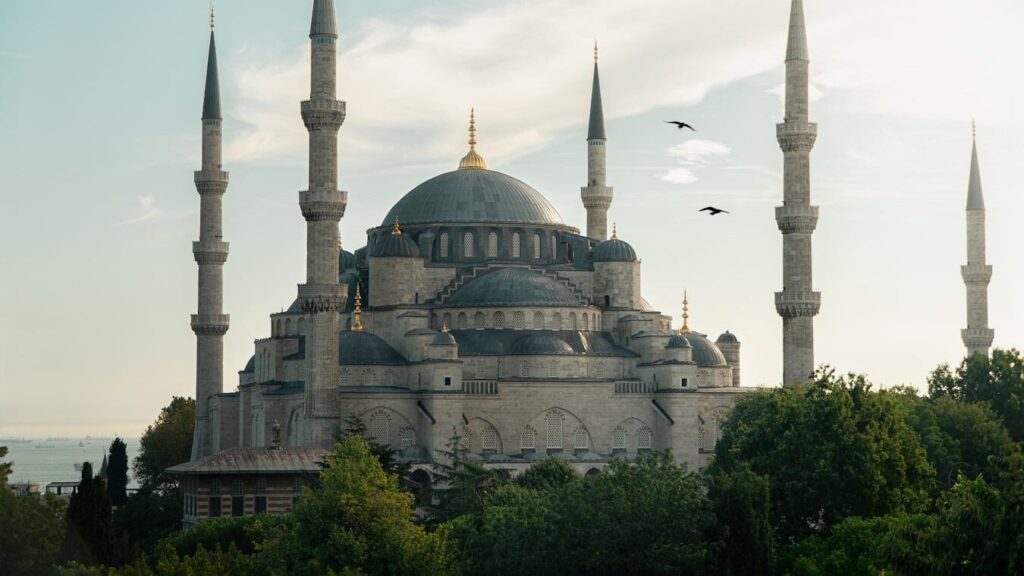
Famous for its stunning blue tiles and six minarets, the Blue Mosque, also known as the Sultan Ahmed Mosque, is both a functioning place of worship and a landmark of extraordinary beauty. It seamlessly combines spiritual significance with architectural brilliance, making it a must-visit destination for travelers.
- Blue tiles: The mosque’s interior is adorned with tens of thousands of handmade ceramic tiles, decorated with intricate floral and geometric patterns in vibrant shades of blue, giving the mosque its nickname. These tiles create an otherworldly ambiance, especially when sunlight filters through the stained-glass windows.
- Six minarets: Unlike most mosques, which have one, two, or four minarets, the Blue Mosque boasts six, a feature that was considered groundbreaking and controversial at the time of its construction, as it rivaled the number of minarets at the Grand Mosque in Mecca.
- Functioning mosque: As a place of worship, the mosque continues to serve the local Muslim community. Visitors can enter to admire its sacred atmosphere, though they are asked to respect prayer times and dress modestly.
- Architectural beauty: Designed by the renowned architect Sedefkâr Mehmed Ağa, the mosque is a stunning example of Ottoman design. Its cascading domes, enormous prayer hall, and harmonious proportions reflect the pinnacle of architectural ingenuity of the era.
- Historical significance: Completed in 1616 under the reign of Sultan Ahmed I, the mosque was built to assert the empire’s power and leave a lasting legacy. It stands today as a symbol of Istanbul’s rich cultural and historical heritage.
A visit to the Blue Mosque is not just about admiring its visual splendor but also about stepping into a living piece of history that continues to inspire awe centuries after its construction.
Topkapi Palace: The Seat of Ottoman Power
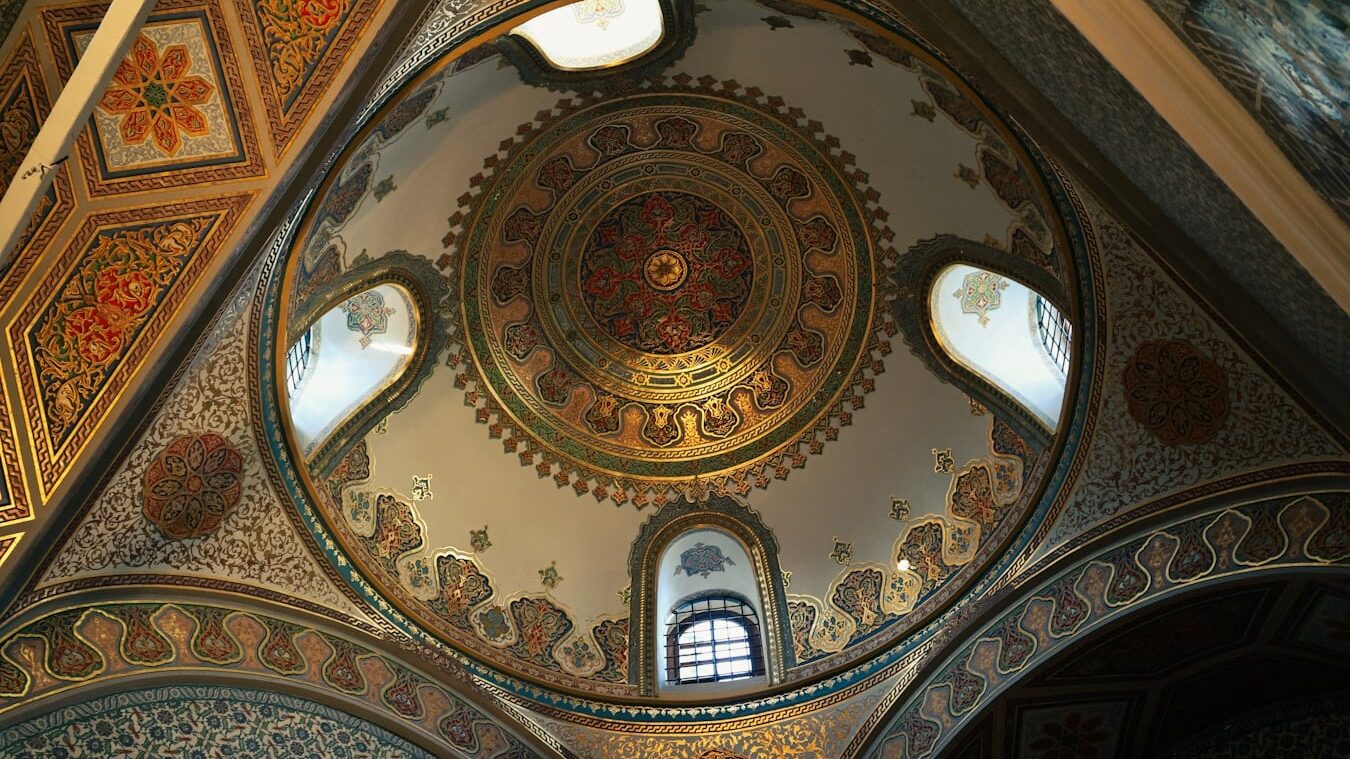
Once the grand residence of Ottoman sultans, Topkapi Palace offers a fascinating glimpse into the opulent royal life of the past. This historic site, now a museum, is a treasure trove of ornate rooms, priceless artifacts, and stunning views of the Bosphorus, making it a must-visit for history enthusiasts and travelers alike.
- Ornate Rooms: Wander through the magnificently designed chambers and halls, adorned with intricate tiles, gold accents, and stunning calligraphy, where sultans and their court once lived and ruled. Each room reflects the grandeur and artistry of the Ottoman Empire.
- Historical Artifacts: Delve into centuries of history as you admire treasures such as the Prophet Muhammad’s cloak and sword, exquisite jewelry, and ceremonial weapons. These artifacts offer a deep connection to the past and a sense of awe.
- Breathtaking Views: From the palace grounds, take in the sweeping panoramas of the Bosphorus, where Europe meets Asia. The views are as captivating as the palace itself, offering a moment of serenity amidst your exploration.
- Imperial Harem: Step into the private world of the royal family within the Imperial Harem. This secluded area reveals the personal stories of sultans, their wives, concubines, and children, and showcases exquisite architecture with a touch of mystery.
- Sacred Relics Chamber: Visit the Sacred Relics Chamber, where significant Islamic relics, such as the relics of the Prophet Muhammad, are carefully preserved. This space holds immense spiritual and historical significance, making it one of the most revered parts of the palace.
Topkapi Palace is not just a historical site—it’s a window into an extraordinary era of power, artistry, and tradition.
The Grand Bazaar: A Shopper’s Paradise
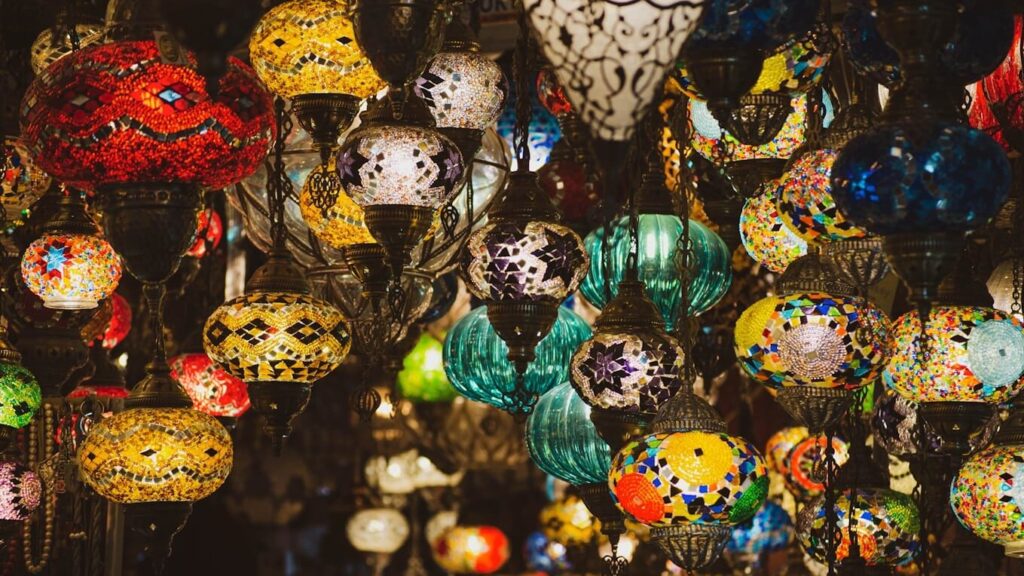
One of the world’s oldest and largest markets, the Grand Bazaar is a bustling and vibrant hub teeming with history, culture, and an array of treasures. Spanning over 60 streets and housing thousands of shops, the bazaar is a paradise for shoppers and explorers alike, offering everything from spices and jewelry to textiles and souvenirs. Whether you’re looking for a special gift, a touch of luxury, or a taste of tradition, this iconic market has something for everyone. Here’s a glimpse of what you can find:
- Spices: A dazzling selection of aromatic spices sourced from around the globe, ranging from saffron and sumac to cinnamon and exotic blends. Perfect for enhancing your cooking or as a fragrant souvenir.
- Jewelry: Exquisite handmade pieces crafted with precision, from gleaming gold and shimmering silver to intricate gemstone designs. A testament to the artistry and skill of local jewelers.
- Textiles: An array of beautiful fabrics, including richly patterned carpets, kilims, and traditional clothing. Each piece tells a story of heritage and craftsmanship.
- Souvenirs: Unique keepsakes, from hand-painted ceramics and decorative lamps to leather goods and small trinkets, offering a lasting memory of your visit to this extraordinary marketplace.
The Grand Bazaar is more than just a shopping destination—it’s a sensory experience and a journey through the heart of culture and tradition.
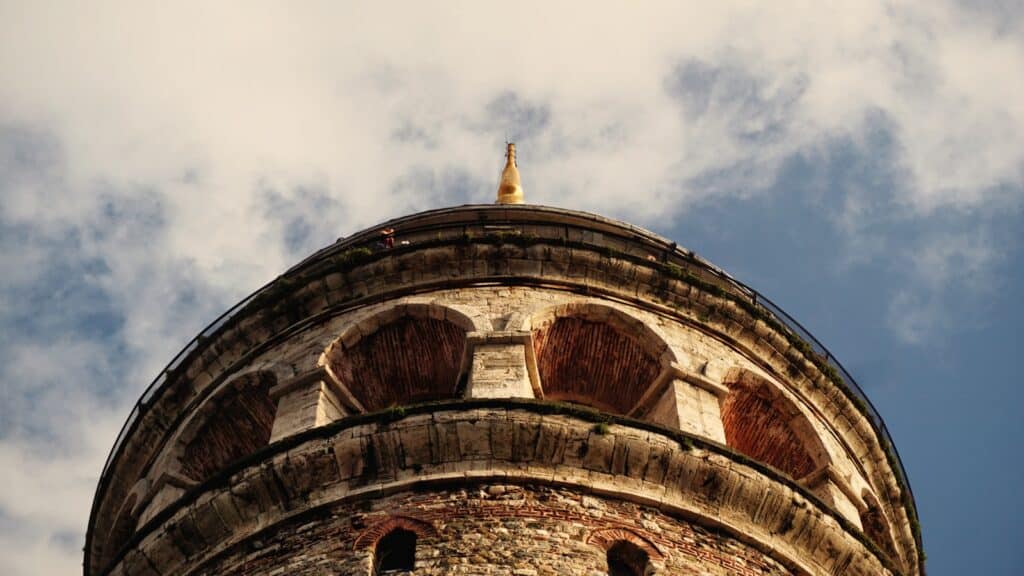
Galata Tower: A Panoramic View of Istanbul
This iconic medieval stone tower offers spectacular 360-degree views of Istanbul, making it a must-visit destination for tourists, history buffs, and photographers alike. Standing tall in the heart of the city, the Galata Tower provides breathtaking panoramas of Istanbul’s skyline, including glimpses of the Bosphorus, historic mosques, and bustling streets below.
Galata Tower Highlights:
- Panoramic views of Istanbul’s skyline, offering unmatched photo opportunities of the city’s unique blend of old and new.
- A favorite spot for photography enthusiasts, especially during sunrise or sunset when the city is bathed in golden light.
- A historical landmark with a rich medieval past, dating back to the 14th century and offering a glimpse into Istanbul’s storied history.
- Visitors can explore the tower’s observation deck and even enjoy a meal or drink at its restaurant, creating a memorable experience high above the city.
Whether you’re here for the views, the history, or the perfect Instagram shot, the Galata Tower is an essential stop in Istanbul
Basilica Cistern: An Underground Marvel
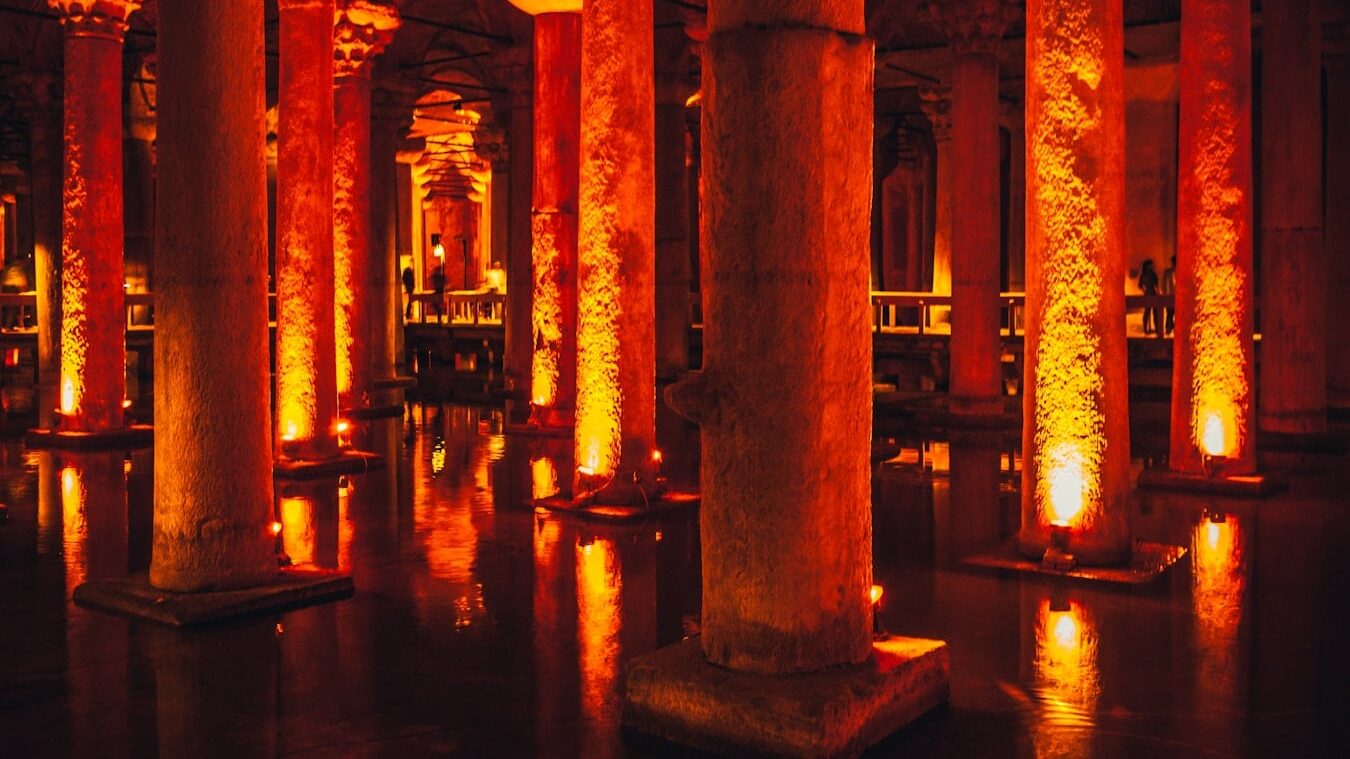
An impressive and historic water storage system, the Basilica Cistern is one of Istanbul’s most fascinating landmarks, offering visitors a glimpse into the city’s ancient engineering marvels. Tucked beneath the bustling streets of the city, this underground cistern is famous for its beautifully lit columns and an otherworldly atmosphere that feels both serene and mysterious.
- Location: Istanbul, Turkey – just a short walk from the Hagia Sophia and the Blue Mosque, making it a must-visit spot in the city’s historic district.
- Built: Constructed during the reign of Emperor Justinian I in the 6th century, showcasing the ingenuity of Byzantine engineering.
- Highlights: The cistern is supported by 336 magnificent columns arranged in 12 rows, each uniquely designed. Among these, the famous Medusa heads, repurposed as column bases, add an air of intrigue and myth to the site.
- Atmosphere: The dim lighting and soft reflections off the water create a peaceful yet mysterious ambiance, transporting visitors to another time.
- Purpose: Originally built to supply water to the Great Palace and surrounding areas, it served as a critical resource for the city’s population during the Byzantine and Ottoman eras.
Today, the Basilica Cistern not only stands as a testament to ancient innovation but also as a stunning cultural and historical attraction.
The Bosphorus Strait: A Scenic Waterway
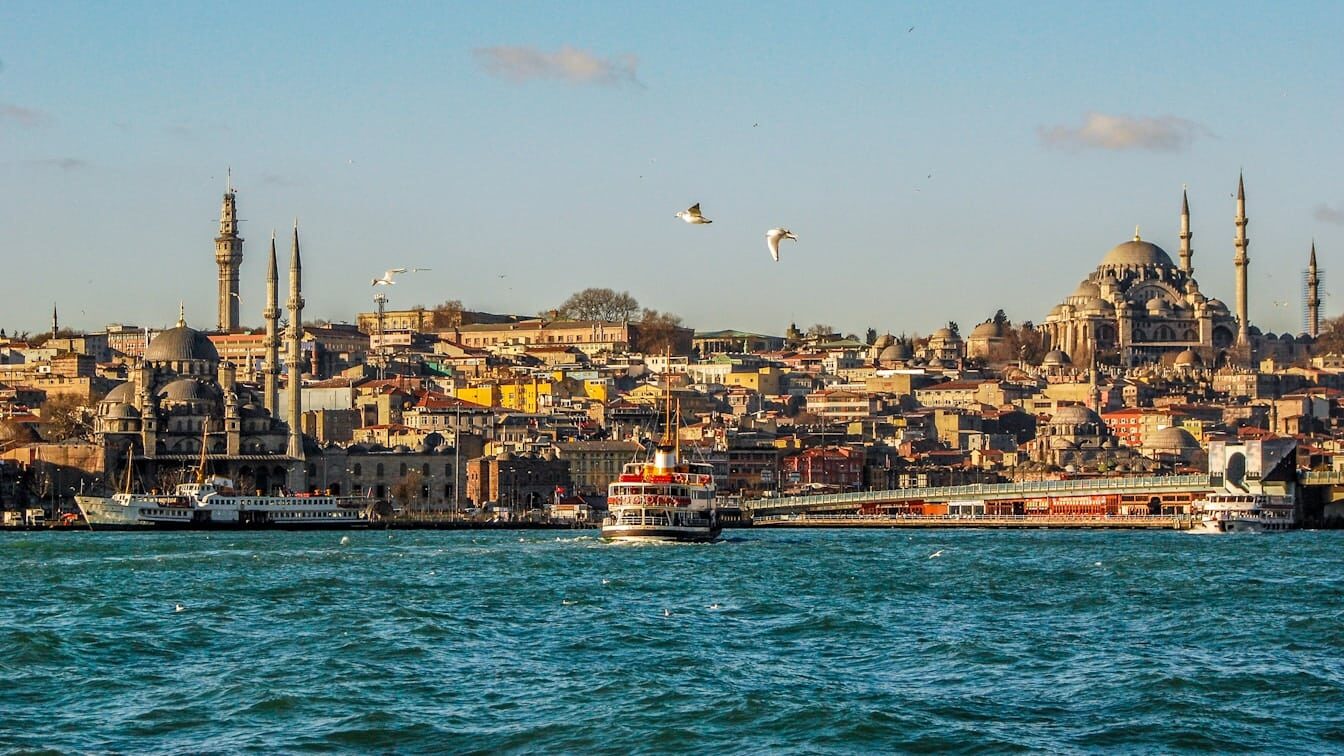
The Bosphorus is a remarkable natural strait that connects Europe and Asia, making it one of the most unique waterways in the world. It offers breathtaking views of Istanbul’s stunning skyline, historical landmarks, and vibrant city life that stretches along its shores. Visitors can experience this iconic strait through scenic boat rides, which provide a chance to journey between two continents while enjoying the gentle sway of the water.
- Connects Europe and Asia: The Bosphorus serves as a natural divider and link between the two continents, blending cultures, architecture, and history in a way that’s entirely unique.
- Breathtaking views: Admire the beauty of Istanbul’s historic mosques, palaces, and mansions, as well as the ever-changing skyline that reflects the city’s rich past and modern growth.
- Scenic boat rides: Take a leisurely cruise along the Bosphorus to soak in the sights, explore the diverse neighborhoods lining the strait, and marvel at the blending of East and West.
Chora Church: A Hidden Gem
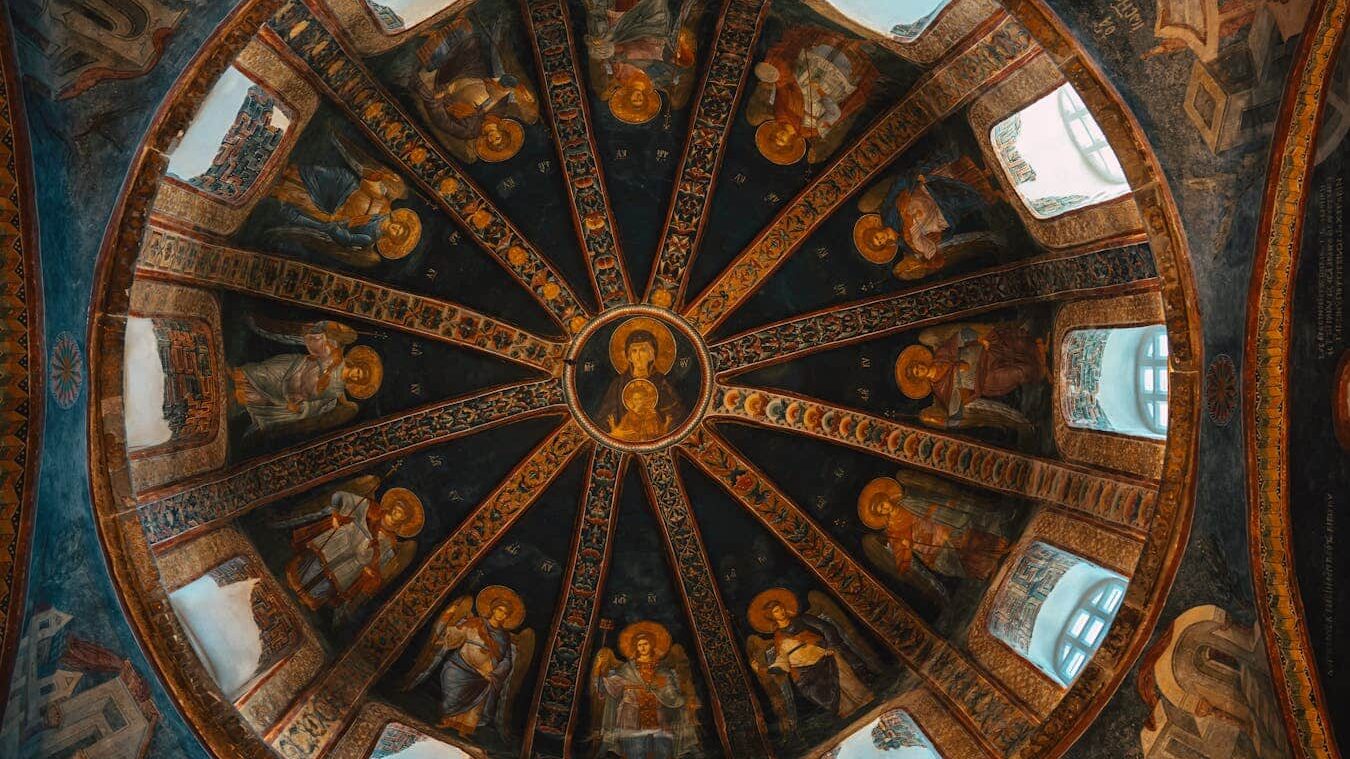
Famous for its breathtaking mosaics and vivid frescoes, the Chora Church (Kariye) offers a peaceful escape from the bustling crowds while immersing visitors in the artistry and history of the Byzantine era. The intricate designs and detailed craftsmanship of its mosaics and frescoes provide a window into a rich cultural heritage, making it a must-see for history buffs and art enthusiasts.
Chora Chruch Key Highlights
- Breathtaking mosaics: Stunning examples of Byzantine artistry found in Chora Church.
- Vivid frescoes: Detailed works that beautifully depict historical narratives.
- Peaceful atmosphere: A serene retreat in the iconic Kariye.
- Historical significance: A masterpiece of Byzantine history and culture.
Dolmabahçe Palace
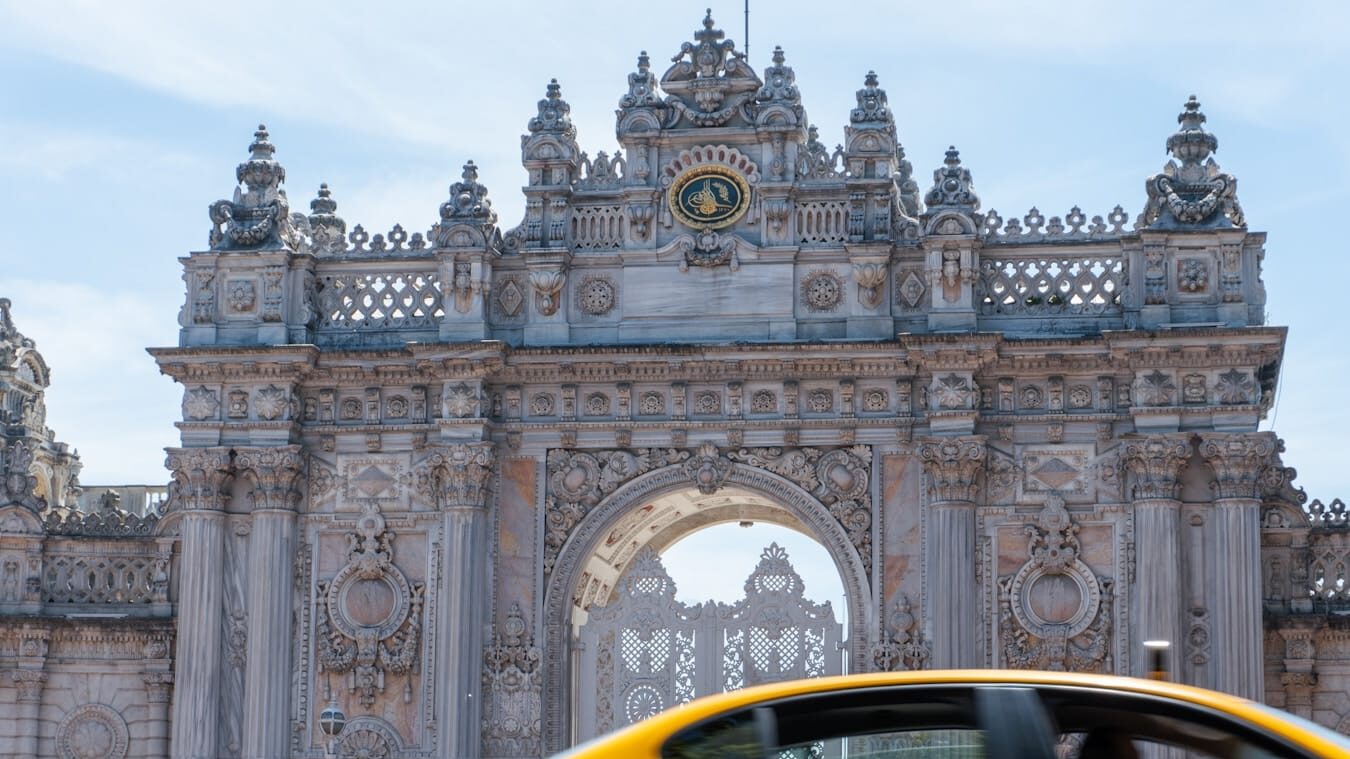
Dolmabahçe Palace stands as a testament to the opulence and grandeur of the Ottoman Empire. Located along the shimmering Bosphorus Strait, this architectural masterpiece combines elements of Baroque, Rococo, and Neoclassical styles, blended with traditional Ottoman design. Built in the mid-19th century, it served as the administrative center of the empire and was the residence of the last Ottoman sultans.
Key highlights:
- Crystal chandeliers: Home to one of the largest Bohemian crystal chandeliers in the world.
- Ornate decorations: Lavish interiors adorned with gold and marble.
- Extensive gardens: Beautifully landscaped grounds offering picturesque views.
- Cultural importance: A symbol of the empire’s transition toward modernization.
Maiden’s Tower
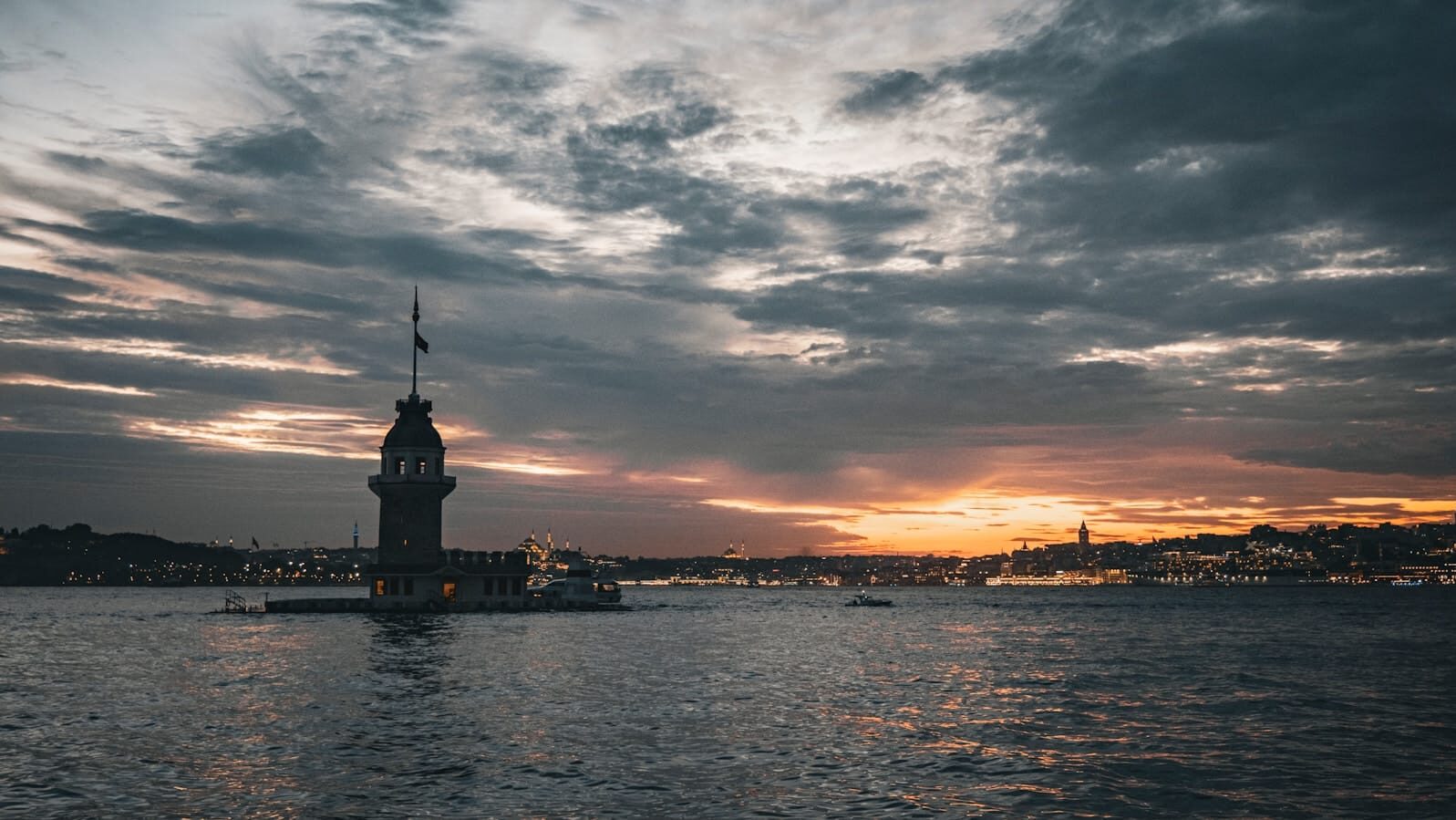
The Maiden’s Tower, or Kız Kulesi, is one of Istanbul’s most iconic landmarks, situated on a small islet at the southern entrance of the Bosphorus Strait. Steeped in legend and history, the tower has served various purposes throughout its existence, including as:
- A watchtower
- A lighthouse
- A quarantine station
Today, it stands as a romantic and historical monument, offering panoramic views of the city from its terrace. Visitors can enjoy the onsite restaurant and café, making it a popular destination for both locals and tourists. The Maiden’s Tower continues to captivate the imagination with its enchanting aura and storied past.
FAQs
Some of the most iconic landmarks include the Hagia Sophia, Topkapi Palace, Blue Mosque, Basilica Cistern, and the Grand Bazaar
While it’s possible to see a few in one day, exploring them thoroughly requires at least 2–3 days.
Yes, most landmarks such as the Hagia Sophia and Topkapi Palace require entrance tickets, which can be purchased on-site or online.
The best time to visit is during spring (April-May) or fall (September-October) when the weather is pleasant and the crowds are smaller.
Yes, guided tours are widely available and offer valuable insights into the history and significance of each site.
Most of Istanbul’s landmarks are family-friendly, offering fascinating experiences for visitors of all ages.
Modest clothing is recommended; for places like mosques, women may need to cover their heads, and both men and women should have their shoulders and knees covered.
Yes, you’ll find plenty of restaurants, cafes, and street food vendors near major landmarks.
Photography is allowed at most landmarks, but flash photography or tripod use may be restricted in some areas, especially in museums.
Istanbul’s efficient public transportation, including trams, buses, and ferries, makes it easy to reach these iconic sites. Walking is also an enjoyable option for nearby locations.