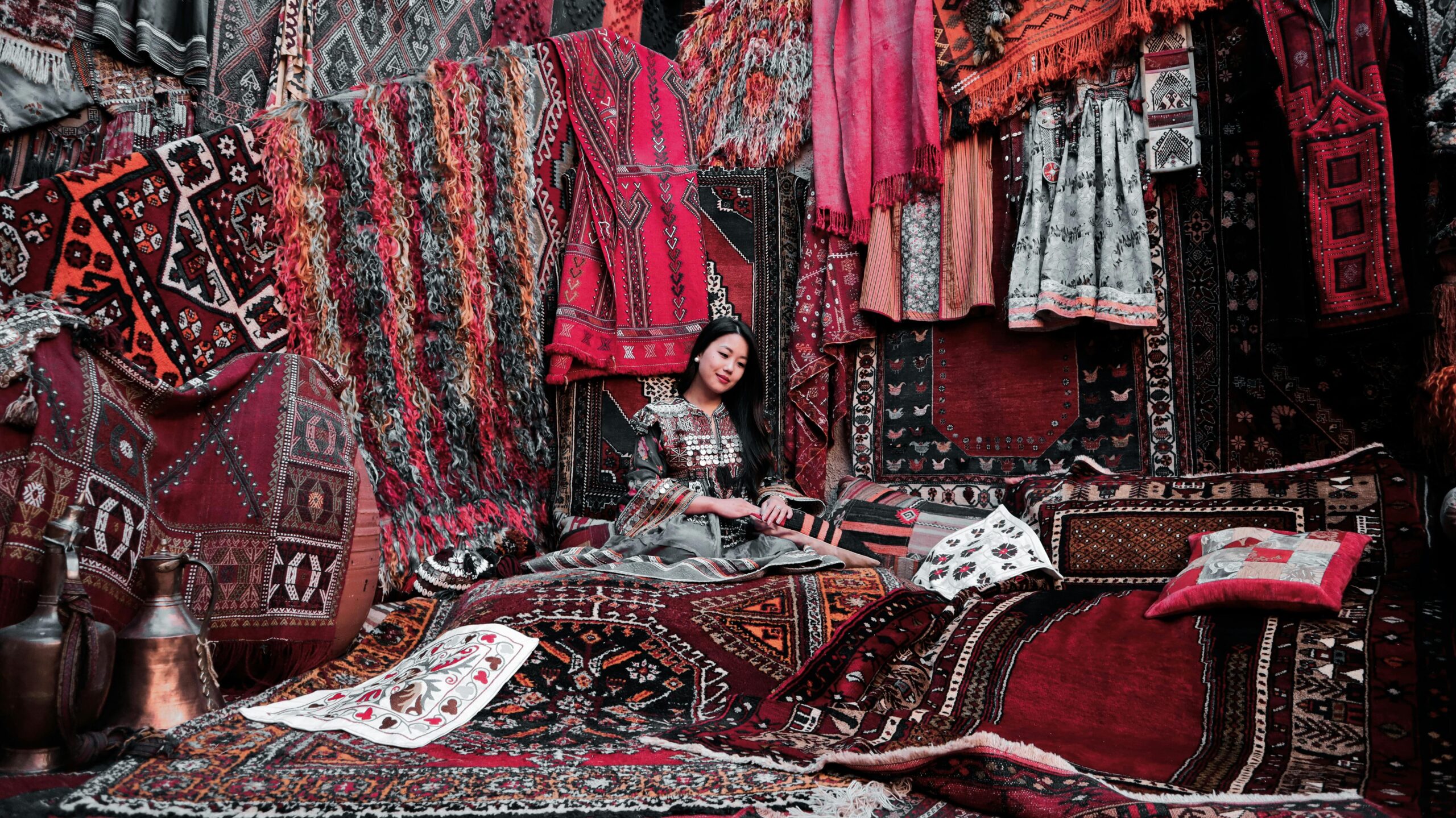
Istanbul, Turkey stands alone among the world’s great cities as the only metropolis that literally bridges two continents. The Bosphorus Strait separates Europe from Asia by just 800 meters at its narrowest point, and crossing it—whether by ferry, bridge, or tunnel—remains one of the most unique experiences in global travel. As a cultural bridge between East and West, Istanbul, Turkey is renowned for its rich history, vibrant culture, and architectural marvels.
This transcontinental city carries over 2,500 years of layered history across its seven hills. Founded as the Greek colony Byzantium in 660 BC, reborn as Constantinople under a Byzantine emperor in 330 AD, and transformed into the seat of the Ottoman Empire after 1453, Istanbul’s rich history lives in every street corner. Today, with approximately 15 million residents, it pulses as Turkey’s economic and cultural heart. The city’s skyline is a unique visual tapestry, blending historic minarets, grand domes, and modern skyscrapers. This iconic city’s skyline is best appreciated from vantage points like ferry rides across the Bosphorus and the Galata Tower, where you can take in the harmonious mix of Istanbul’s architectural heritage and contemporary growth.
When planning things to do in Turkey Istanbul offers an overwhelming array of choices. From UNESCO World Heritage sites in the historic Sultanahmet district to hipster neighborhoods on the Asian side, the city rewards every type of traveler. Istanbul features a blend of ancient history and modern culture, with key attractions including Hagia Sophia, the Blue Mosque, and Topkapi Palace—all within walking distance of each other.
Our selection of must-see experiences prioritizes those with profound historical significance, cultural authenticity, and superior visitor feedback. Whether you’re visiting Istanbul for 48 hours or two weeks, these attractions capture the essence of a city that has served as capital to three empires.
How We Chose the Best Istanbul Attractions
Selecting the top experiences in a city with over 3,000 mosques, 600 hamams, and countless palaces required strict criteria. Here’s how we evaluated each attraction.
- Historical Significance and Cultural Importance
We prioritized sites central to pivotal moments—the 1453 Ottoman conquest, Justinian I’s 6th-century building campaigns, and structures illustrating Istanbul’s religious transitions. UNESCO World Heritage status factored heavily, as did living traditions like active mosques continuing centuries of worship. - Visitor Experience Quality
Accessibility matters. Istanbul’s public transportation system includes buses, trams, ferries, and the metro with over 100 stations, making navigation straightforward. We considered crowd management systems, such as the Basilica Cistern’s digital queuing that reduced wait times by 40%, and average ratings from millions of reviews. - Uniqueness Factor
Istanbul-specific phenomena earned extra weight. The Bosphorus’s dual-continent panoramas exist nowhere else on Earth. The Grand Bazaar’s status as the world’s oldest covered market since 1461 can’t be replicated. - Practical Considerations
We weighed variable opening hours (mosques close during five daily prayers), peak crowd levels from May through September when 60% of annual visitors arrive, and value metrics comparing free-entry mosques against paid palace admissions. - Appeal Across Traveler Types
Different visitors seek different experiences. History buffs prioritize relic-filled museum collections. Families favor Bosphorus ferries with accessible schedules. Photographers chase golden hour at waterfront locations. Culture seekers engage with the Whirling Dervishes Ceremony, a spiritual practice that combines music, chanting, and spinning movements symbolizing spiritual ascent and union with the divine.
Top 8 Must-Do Experiences in Istanbul
Istanbul’s top activities and attractions are centered around its imperial legacy in the Sultanahmet District, historic shopping bazaars like the vibrant Spice Market—famed for its colorful, fragrant atmosphere—and scenic boat rides across the Bosphorus Strait. Don’t miss Istiklal Street, a bustling pedestrian avenue connecting Taksim Square with the Galata Tower area, renowned for its lively atmosphere, diverse crowd, and central role in Istanbul’s social life. Here are the experiences that deliver on every front.
1. Hagia Sophia
The Hagia Sophia, originally built as a cathedral in the 6th century, is one of the world’s great architectural marvels and has served as a mosque and museum throughout its history. Emperor Justinian I commissioned this structure in 532-537 AD, creating what remained the world’s largest cathedral for nearly 1,000 years.
The 30.31-meter dome, rivaling Rome’s Pantheon, represented a revolutionary engineering achievement. Structural innovations like pendentives enabled the vast dome supported by 40 windows that flood the interior with ethereal light. The building witnessed Constantinople’s transformation into an Ottoman capital in 1453, became a museum under Atatürk in 1935, and returned to mosque status in 2020.
Why It Stands Out
Few buildings embody religious transition as powerfully as Hagia Sofia. Christian mosaics—including the restored 10th-century Deësis panel—coexist with Ottoman mihrabs and minbar. This palimpsest of faiths creates a visual dialogue between empires that’s rare globally.
The Byzantine architecture here survived 14 major earthquakes, a testament to engineering that modern seismic experts still study. Walking beneath that dome, you’re experiencing structural principles that influenced religious buildings for centuries.
Best For
History buffs tracking imperial shifts find unmatched depth here. Architecture enthusiasts can study seismic-resistant designs that predate modern engineering by 1,400 years. First-time visitors to Istanbul should prioritize this site—it consistently ranks as the city’s top attraction.
Key Strengths
- Free entry (donations encouraged) makes this accessible to every budget
- Central Sultanahmet location puts you 2 minutes from the Blue Mosque
- Post-2024 restorations enhanced mosaic visibility with controlled LED lighting
- Iconic Byzantine dome creates Instagram-worthy interior shots
Possible Limitations
Peak crowds exceed 5,000 daily during summer months, creating long lines and congested interiors. Plan early morning visits when doors open at 9 AM. The building closes during five daily prayers for 15-30 minutes each. Strict dress codes require headscarves (provided) and long pants for all visitors.
2. Bosphorus Cruise
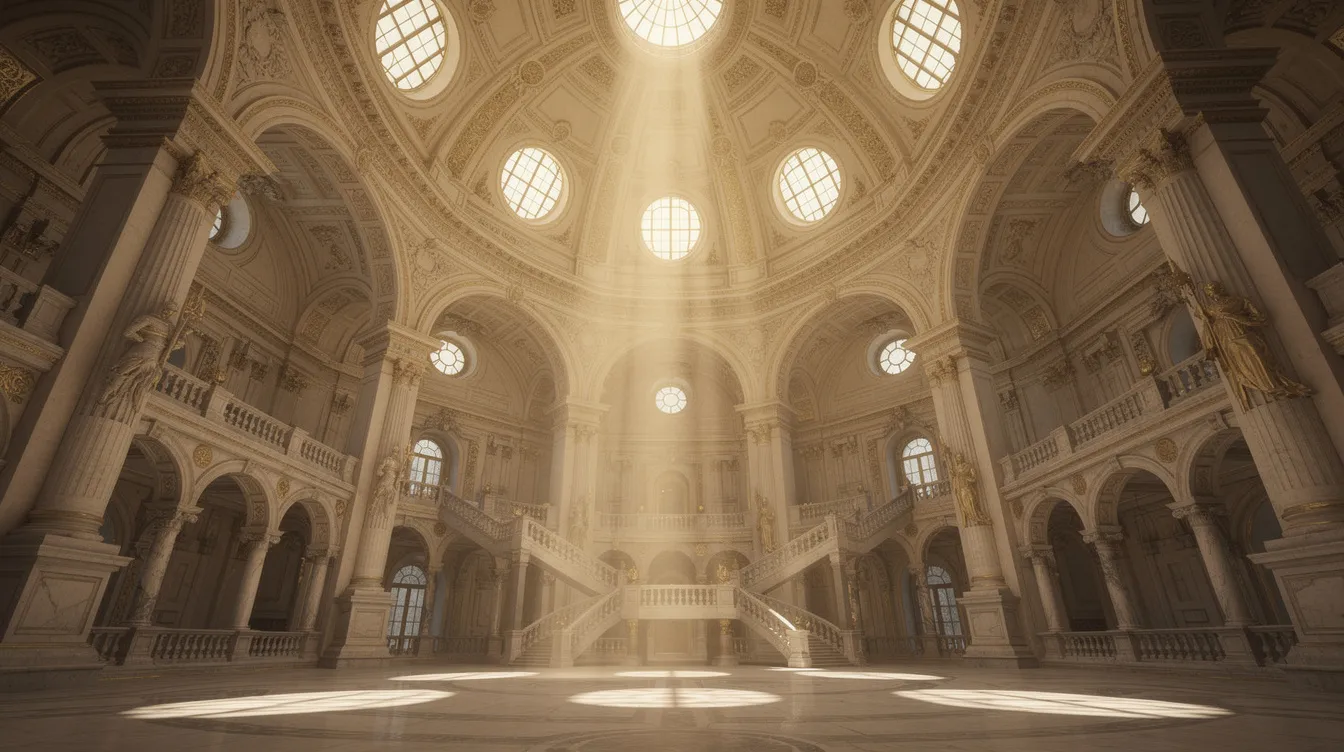
A Bosphorus Ferry Ride allows visitors to traverse the geographical gap separating Europe and Asia while enjoying views of the waterfront. From the deck, the city’s skyline unfolds—a striking blend of historical structures, modern skyscrapers, and iconic minarets—showcasing Istanbul’s architectural diversity and scenic beauty as seen from the Bosphorus. This 31-kilometer strait links the Black Sea to the Marmara Sea, functioning as a natural waterway that post-Ice Age flooding widened around 5600 BC.
The Bosphorus ferries are a popular mode of transportation, with 22 public ferry lines operating between the European and Asian sides of Istanbul. Public Şehir Hatları ferries depart hourly from Eminönü to Üsküdar for 15-minute crossings at approximately 12 TRY (under $0.50). Private dinner cruises offer extended journeys with onboard entertainment.
Why It Stands Out
No other city offers this geographical experience. From the water, you’ll see 19th-century yalıs (366 preserved wooden mansions) lining the shores, the Rumeli Hisarı fortress that Mehmed II built in 1452 to enable his siege, and the contrast between the European side’s dense cityscape and Asian hillside forests.
The perspective is impossible from land. Watching the city’s skyline shift as you drift between continents provides context that walking tours simply can’t match.
Best For
Photographers capturing bifocal continent-spanning shots find optimal conditions at sunrise or sunset when minaret silhouettes glow against the sky. Couples appreciate the romantic 1-2 hour private cruise options. View-seekers and anyone wanting respite from 10+ kilometers of daily walking will welcome the relaxing pace.
Key Strengths
- Public ferries cost less than a cup of coffee (far cheaper than Venice gondolas)
- Frequent departures every 15-30 minutes minimize waiting
- Views include historic mansions, the Golden Horn inlet, and both shores simultaneously
- Relaxing alternative to the old town’s crowded streets
- Passes beneath the Galata Bridge, where fishing off the bridge is a popular local pastime providing an authentic glimpse into daily life
Possible Limitations
Winter storms cancel approximately 20% of ferry services. Windy decks challenge selfie attempts and can feel bitterly cold from December through February. Peak ferries hold 500+ passengers, making prime viewing spots competitive. Weather-dependent conditions mean cloudy days diminish the experience.
3. Grand Bazaar
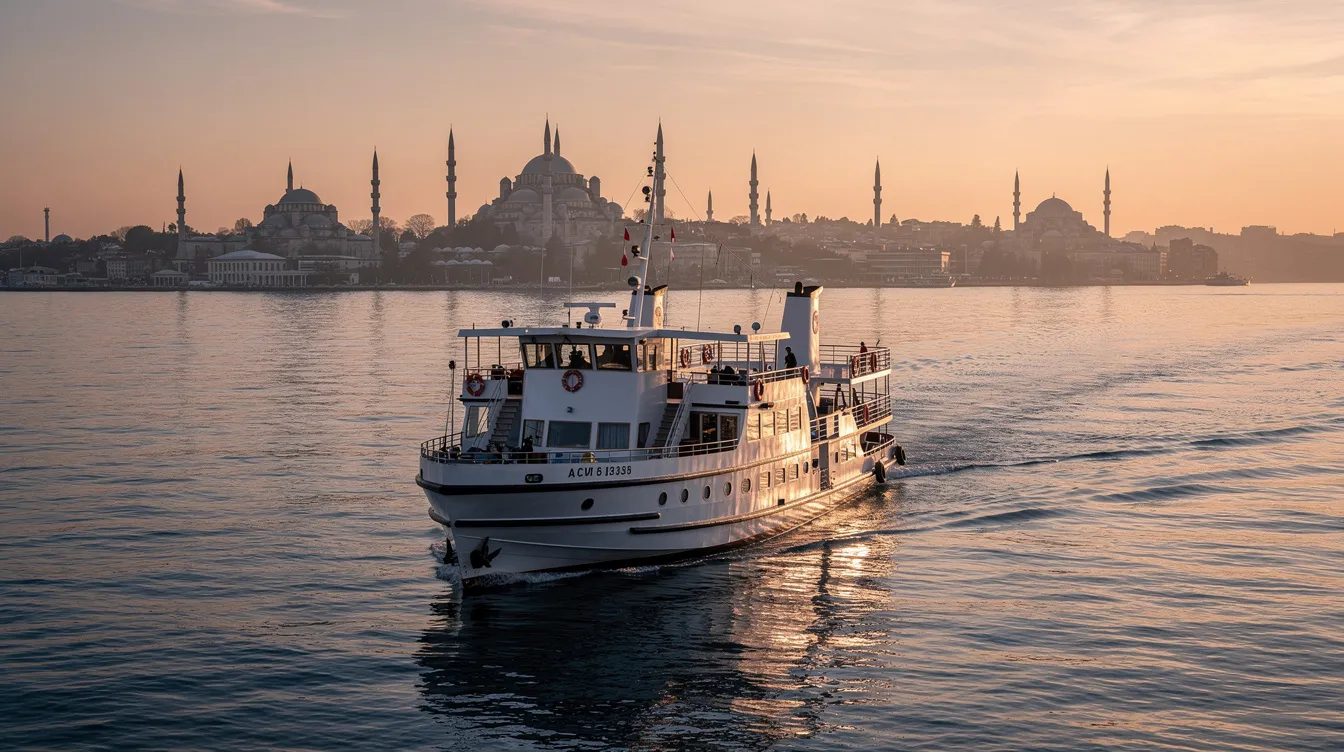
The Grand Bazaar is one of the largest and oldest covered markets in the world, featuring over 4,000 shops and 60 streets, making it a must-visit for shopping enthusiasts in Istanbul. Mehmed II founded this sprawling complex in 1461 as a bedesten (vaulted warehouse) for silk trade.
The Grand Bazaar, one of the oldest and largest covered markets in the world, has been a significant trading center since 1461 and features thousands of shops selling a variety of goods. From 16th-century Hereke carpets commanding up to €100,000 to spices costing €20 per gram, the range defies easy description.
Why It Stands Out
Scale and authenticity distinguish this experience. The labyrinthine alleys foster serendipitous discoveries impossible in modern shopping centers. Haggling rituals rooted in Ottoman guild systems continue daily, making every purchase a cultural exchange. Historic vaults display arabesque frescoes, while authentic artisan workshops demonstrate copper beating and other traditional crafts.
Best For
Shoppers ready to negotiate for best prices on Turkish carpets, ceramics, and jewelry will find heaven here. Cultural enthusiasts immersing in sensory chaos—oud vendors, call-to-prayer echoes, and crowds speaking dozens of languages—experience authentic Istanbul. Those seeking authentic Turkish market atmosphere should budget several hours.
Key Strengths
- Massive selection spans categories from antique metalwork to contemporary textiles
- Historic architecture dating to the 15th century creates atmospheric backdrop
- Opportunity to practice bargaining skills transferable to nearby Spice Bazaar
- Side streets reveal quieter workshops away from tourist flows
- Central city center location near major attractions
Possible Limitations
The disorienting layout (free maps available at entrance gates) frustrates many first-time visitors who struggle to find exits. Aggressive touts inflate prices 2-3x for obvious tourists, requiring confident haggling. Police advisories note pickpocket risks in the crowded million-square-meter maze. Allow extra time to avoid feeling rushed.
4. Blue Mosque (Sultan Ahmed Mosque)
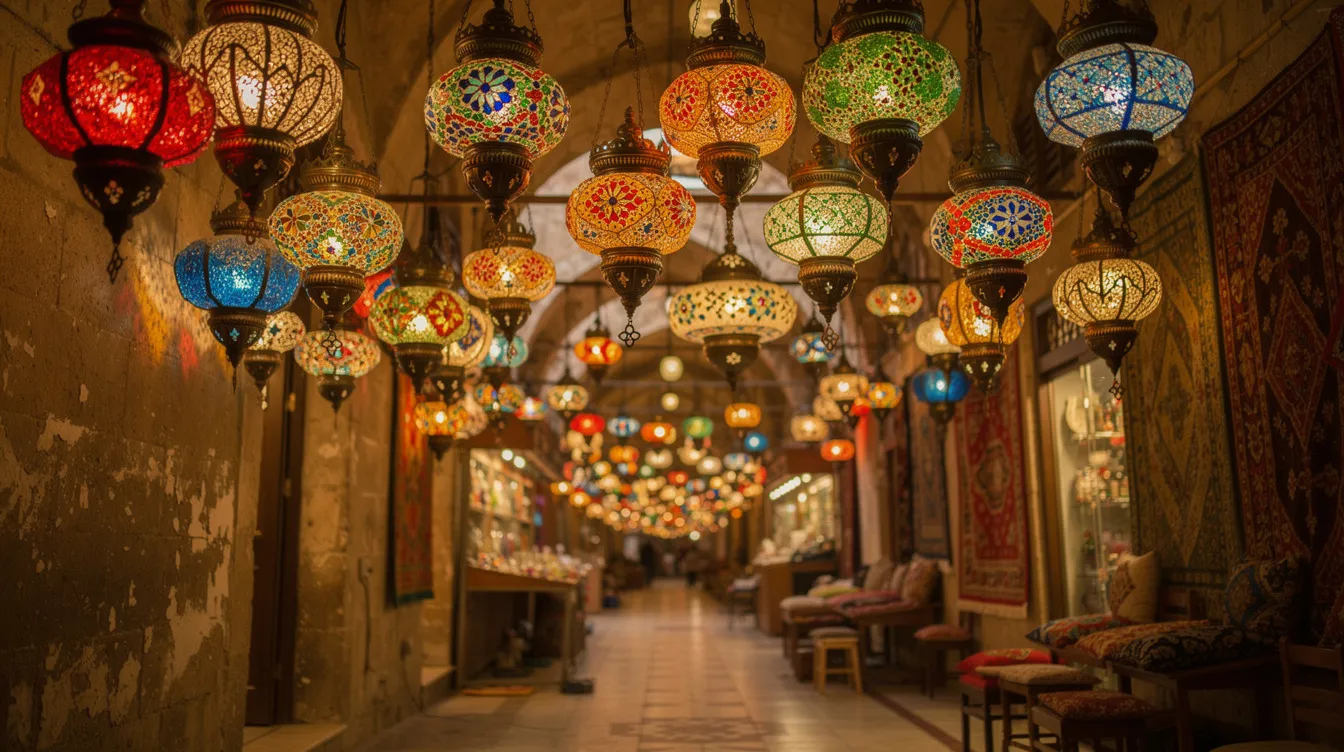
The Blue Mosque, known for its stunning blue tiles, is one of Istanbul’s most iconic structures and a significant example of Islamic architecture. Sultan Ahmed I commissioned this marvel between 1609-1616 during the Ottoman Empire’s zenith.
Over 20,000 hand-painted İznik tiles in 20+ blue-green shades—derived from cobalt and turquoise oxides—cover the interior. The Sultan Ahmed Mosque’s six minarets caused controversy at construction since they matched Mecca’s count (later remedied by adding a seventh minaret to Mecca’s mosque). The 43-meter central dome, inspired by nearby Hagia Sophia, covers 4,360 square meters for 10,000 worshippers.
Why It Stands Out
Tilework geometry here exemplifies peak Ottoman artistry. The Islamic art adorning every surface represents centuries of refined craftsmanship. Paired with Hagia Sophia across Sultanahmet Square, these two structures form “Istanbul’s postcard duo” visible from numerous vantage points. Unlike many attractions, this remains an active mosque providing authentic cultural immersion.
Best For
Architecture enthusiasts admiring symmetrical facades find endless detail to study. Photographers at dawn or dusk capture the minarets against colorful skies. Visitors interested in Islamic culture experience authentic Friday prayer atmosphere when regional attendance swells to 50,000.
Key Strengths
- Free entry makes this accessible regardless of budget
- Beautiful blue tile interior justifies the building’s popular name
- Located in the heart of Sultanahmet’s tourist district, minutes from other major sites
- Active worship provides authentic cultural experience unavailable at museums
- Excellent views from Gulhane Park nearby
Possible Limitations
Dress code requirements mandate head covering for women and prohibit shorts for everyone (robes and scarves provided at entrance). Prayer time closures—especially the extended Friday Jumu’ah—interrupt tourist access. Peak season crowds challenge photography and contemplation.
5. Basilica Cistern
The Basilica Cistern, built in the 6th century, is the largest surviving Byzantine cistern in Istanbul and features a forest of columns and atmospheric lighting. Emperor Justinian constructed this underground water reservoir to hold 80,000 cubic meters serving 10,000 residents through 336 marble columns, each standing 9 meters tall.
Many columns were recycled from pagan temples. Most famously, two feature inverted Medusa heads—installed upside-down by superstitious Byzantine masons seeking to neutralize gorgon curses. The 2022-2024 renovations raised walkways, added platforms increasing hourly capacity to 2,500, and installed dramatic lighting.
Why It Stands Out
This subterranean engineering feat offers atmospheric 12°C temperatures and 1-centimeter-deep water reflections creating viral photography opportunities. Few intact Roman aqueduct endpoints survive globally, making this a rare window into Byzantine infrastructure. The mysterious Medusa sculptures add mythological intrigue.
Best For
History buffs appreciate the engineering achievement and architectural recycling from earlier eras. Heat-escapees find relief when summer temperatures hit 35°C above ground. Photography enthusiasts capture reflections and dramatic lighting that social media algorithms favor.
Key Strengths
- Cool underground setting provides refuge from summer heat
- Quick 30-45 minute visit fits tight schedules
- Fascinating Byzantine engineering demonstrates ancient urban planning
- Mysterious Medusa sculptures provide unique photo subjects
- €15 entry includes audio guide options
Possible Limitations
Post-renovation humidity makes paths slippery—wear appropriate footwear. Peak hour queues extend to one hour despite capacity improvements. Flash photography restrictions limit equipment options. The underground environment may feel claustrophobic to some visitors.
6. Turkish Bath (Hamam) Experience
Turkish baths, known as Hammams, provide traditional full-body scrubs and massages, and can be found throughout the city. This tradition traces to 15th-century Ottoman expansions of Roman-Byzantine thermae, preserving hygiene rituals from eras when private plumbing was scarce.
A traditional Turkish bath experience involves the kese scrub (dead skin removal via horsehair mitt), foam massage on the göbektaşı (heated marble navel stone), and relaxation beneath historic domes. Establishments like Çemberlitaş (operating since 1584) offer sessions ranging €50-100.
Why It Stands Out
This wellness practice preserves communal traditions now candidated for UNESCO intangible heritage status. Unlike spa treatments elsewhere, the hamam ritual connects directly to Ottoman daily life. Historic buildings like Ayasofya Hamam feature dual-gender marble halls with centuries-old architecture.
Best For
Cultural enthusiasts seeking immersive experiences find authentic Ottoman tradition here. Wellness seekers appreciate the rejuvenating effects of professional scrubs and steam. Those wanting authentic Turkish traditions beyond museums discover living heritage.
Key Strengths
- Authentic cultural experience in historic hammam buildings
- Rejuvenating full-body treatment with lasting effects
- Available throughout the city with various price points
- Some establishments occupy centuries-old structures
- Provides relaxation break between intensive sightseeing
Possible Limitations
Tourist-focused establishments charge €100+ versus locals’ €20 rates at neighborhood hamams. Nudity or near-nudity in communal settings creates discomfort for unfamiliar visitors. Mixed-gender facilities exist but separate-gender hamams remain traditional. Quality varies significantly between establishments.
7. Asian Side Exploration (Kadikoy)
Kadikoy is known for its vibrant local market scene, featuring quirky antique shops and vintage pop-up stalls, making it a great area for unique shopping experiences. A 5-minute ferry from Eminönü delivers you to this neighborhood of 500,000 residents with far fewer tourists than Sultanahmet.
The Tuesday fish market trades 500 tons weekly. Hipster cafes serve exceptional coffee—Turkish coffee is traditionally brewed using a cezve placed in hot sand, which allows for a unique brewing process that enhances its flavor, though modern espresso culture thrives here too. Street art walls showcase contemporary Turkish art throughout the district.
Why It Stands Out
Authentic Bosphorus-facing neighborhoods like Moda host parks and tulip festivals echoing Ottoman tulipmania. The vintage shopping scene offers treasures unavailable in tourist-focused bazaars. Without Sultanahmet’s crowds, you experience Istanbul as locals do—browsing, snacking, and walking at a leisurely pace.
In Istanbul, popular neighborhoods such as Balat and Fener are recognized for their colorful historic houses and antique shops. While technically on the European side, these share Kadikoy’s authentic atmosphere and reward exploration.
Best For
Foodies tasting balık ekmek (fish sandwiches) at waterfront stalls discover amazing food without tourist markup. Young travelers and coffee enthusiasts find specialty roasters rivaling any global capital. Those seeking local experiences away from coach tour crowds discover hidden gems.
Key Strengths
- Authentic local atmosphere with significantly fewer tourists
- Excellent food scene including seafood restaurants and street vendors
- Specialty coffee shops and art galleries showcase modern Istanbul
- Easy ferry access from the European side (Eminönü dock)
- Vibrant bustling cafes and live music venues
Possible Limitations
Ferry travel adds 20-30 minutes to itineraries. The area offers fewer historic monuments compared to Sultanahmet’s palace complex and mosque concentration. Navigation requires more independence than guided Sultanahmet tours. First visit to Istanbul may prioritize other sites.
8. Istanbul Food Tour
Lokantasi are traditional Turkish eateries that serve home-cooked meals in a communal setting, offering a variety of stews, grilled meats, and vegetables, popular among locals for a quick and hearty meal. Guided food tours introduce visitors to these establishments alongside street food vendors and specialty shops, often including a visit to the historic spice market—the Spice Bazaar. This vibrant and fragrant market, also known as the Egyptian Bazaar, is famous for its colorful displays of spices, herbs, and Turkish delights, creating a flavorful atmosphere that is a must-visit for food enthusiasts. Turkish delight, a popular traditional sweet, is widely available here, with many stalls offering samples so visitors can experience its unique taste and texture.
Typical 3-4 hour walks hit 5-7 stops covering baklava’s 40+ phyllo layers, kebabs with 16th-century origins, and rakı pairings. Top-rated tours serve 15+ tastings while providing culinary history from an expert tour guide.
Why It Stands Out
Ottoman cuisine represents fusion of Central Asian nomadic grills, Levantine sweets, and Balkan mezes—complexity that independent wandering rarely reveals. Guides lead small group expeditions to insider spots avoiding tourist traps. History delivered through food creates memorable context.
The Spice Bazaar, also known as the Egyptian Bazaar, is famous for its colorful displays of spices, herbs, and Turkish delights, and is one of the oldest markets in Istanbul. Many tours include stops here, where the Spice Bazaar’s aromatic displays of spices, herbs, and Turkish delights make it a must-visit for food enthusiasts.
Turkish coffee is traditionally brewed using sand, a method known as Közde Kahve, which enhances the flavor and provides a unique visual experience during preparation. Tours often demonstrate this technique. Additionally, the tradition of reading fortunes from Turkish coffee grounds, known as tasseography, is a cultural experience that offers insight into Turkish customs and is often enjoyed in cafes throughout Istanbul.
Best For
Food lovers seeking comprehensive culinary education find structured tours invaluable. First-time visitors gain cultural immersion through cuisine that independent dining rarely achieves. Travelers wanting guided expertise appreciate other travelers in small group settings sharing recommendations.
Key Strengths
- Expert local guides sharing culinary knowledge and neighborhood history
- Visits multiple neighborhoods providing diverse food experiences
- Usually includes 5-7 stops with generous tastings
- Insider access to establishments tourists rarely find independently
- Context connects food to Ottoman and Turkish culture
Possible Limitations
Higher cost (€50-100) compared to independent exploration adds budget considerations. Fixed itineraries offer less flexibility for personal preferences. Group pacing may feel rushed or slow depending on companions. Dietary restrictions require advance communication.
İstiklal Avenue is a bustling pedestrian boulevard lined with shops, cafes, and historic buildings in the New District of Istanbul.
Quick Comparison of Top Istanbul Attractions
Attraction | Best For | Time Needed | Cost |
|---|---|---|---|
Hagia Sophia | History and Byzantine architecture enthusiasts | 1-2 hours | Free |
Scenic views and relaxation seekers | 1-3 hours | €0.50-100 | |
Grand Bazaar | Shopping and cultural immersion | 2-4 hours | Free entry |
Blue Mosque | Islamic architecture and photography | 30-60 min | Free |
Basilica Cistern | Unique underground experience | 30-45 min | €15 |
Turkish Bath | Authentic cultural wellness | 1-2 hours | €50-150 |
Asian Side | Local atmosphere and food scene | 3-5 hours | Ferry €0.50 |
Food Tour | Comprehensive culinary introduction | 3-4 hours | €50-100 |
For visitors wanting to visit Turkey with limited time, the Sultanahmet trio (Hagia Sophia, Blue Mosque, Basilica Cistern) can be completed in 4-5 hours. Those with three days should add Bosphorus cruise, Topkapı Palace (the palace complex housing 700,000 relics), and bazaar exploration.
How to Choose the Right Istanbul Experiences
Choose Based on Your Time Available
- One Day: Focus exclusively on Sultanahmet. Start at Hagia Sophia when doors open, walk to Blue Mosque during non-prayer hours, descend into Basilica Cistern, then wander to the Grand Bazaar. This sequence minimizes backtracking and covers iconic sites.
- Three Days: Add a Bosphorus cruise (morning for clear skies), visit Topkapı Palace near Hagia Sophia, explore the Spice Bazaar near the New Mosque, and spend an afternoon on the Asian side. The Tünel, built in 1875 as the second-oldest underground railway in the world, connects the Karaköy and İstiklal Avenue areas—worth experiencing for its historical significance.
- Five+ Days: Venture to Dolmabahçe Palace, the largest palace in Turkey that served as the administrative center of the Ottoman Empire and features opulent architecture and beautiful gardens. Explore the Galata Tower, a medieval watchtower that offers panoramic views of the historic peninsula from its observation deck. Discover İstiklal Avenue, a bustling pedestrian boulevard lined with shops, cafes, and historic buildings in the New District. Visit the Istanbul Modern Museum to see contemporary Turkish art. Take a ferry to a popular island in the Princes Islands archipelago with lush pine forests and no cars.
Choose Based on Your Interests
- History Buffs: Prioritize Hagia Sophia, Topkapı Palace, and Basilica Cistern. Consider adding the Suleymaniye Mosque—arguably Istanbul’s most beautiful imperial mosque—and Chora Church for exceptional Byzantine mosaics. These sites span 1,500+ years of continuous history.
- Food Lovers: Book a guided food tour early in your trip for orientation, then explore independently. Spend half a day in Kadikoy’s markets. Seek out lokantasi for lunch alongside locals.
- Architecture Enthusiasts: Beyond obvious choices, study Ottoman religious buildings, Byzantine water management, and 19th-century European-influenced palaces like Dolmabahçe representing architectural transition.
- Culture Seekers: Balance monuments with living traditions—hamam visits, coffee houses with tasseography readings, dervish ceremonies, and neighborhood exploration in Balat or Fener.
Choose Based on Your Budget
- Budget-Friendly (Under €20/day): Free attractions include Hagia Sophia, Blue Mosque, Suleymaniye Mosque, and bazaar wandering. Public transport is remarkably affordable. Street food—simit, döner, balık ekmek—provides excellent nutrition at minimal cost.
- Mid-Range (€50-100/day): Add paid museums (Topkapı €25, Basilica Cistern €15), a private hamam session, and a guided food tour. Consider skip-the-line tickets to save time at crowded sites.
- Comfort (€150+/day): Private Bosphorus cruises, luxury hamam experiences, personal tour guide services, and fine dining at waterfront seafood restaurants. Priority access minimizes waiting.
Which Istanbul Experience Is Best for You?
Use these travel tips to match experiences with your priorities:
- Choose Hagia Sophia if you want iconic history and architecture. The Christian church turned mosque embodies Istanbul’s religious and imperial transitions more completely than any single structure.
- Choose Bosphorus Cruise if you want scenic relaxation and perspective on Istanbul’s geography. Nothing else provides the continent-bridging experience.
- Choose Food Tour if you want comprehensive cultural immersion through cuisine. The combination of guidance, history, and multiple tastings accelerates understanding.
- Choose Grand Bazaar if you want authentic Turkish market immersion. The haggling culture, artisan workshops, and historic architecture create experiences shopping malls can’t replicate.
- Choose Asian Side Exploration if you want authentic local experiences away from tourist crowds. Kadikoy delivers Istanbul without the Sultanahmet intensity.
- Choose Turkish Bath if you want cultural wellness and Ottoman tradition. The hamam ritual offers physical rejuvenation with historical significance.
During religious holidays, expect modified hours at mosques and increased domestic tourism at major sites. The new city areas around Taksim Square offer alternatives when old town crowds peak. Street performers along İstiklal provide entertainment while exploring beyond Sultanahmet.
Final Thoughts
Istanbul rewards both the hurried traveler with a single day and the curious explorer with weeks to spare. With 22 million visitors projected for 2026, this city continues proving its status among the world’s great cities—a place where Byzantine emperors, Ottoman sultans, and modern cosmopolitans have all left their mark.
The best Istanbul trip balances iconic landmarks with unexpected discoveries. Two days in the historic core combined with Bosphorus perspectives provides solid foundation. Extended stays uncover neighborhoods like Balat’s colorful streets or Princes Islands’ peaceful retreats—the hidden gems that transform a visit into a memorable experience.
Whether you’re drawn to Byzantine mosaics or authentic street food, ancient cisterns or contemporary art galleries, this city delivers experiences that linger long after departure. Istanbul doesn’t merely preserve history—it lives it, serving meals from recipes unchanged for centuries while street artists create new visual languages on neighborhood walls.
Start with the experiences matching your interests and time. Then let Istanbul’s layered character reveal itself through conversations with fishermen on the Galata Bridge, unexpected mosque discoveries down side streets, and that perfect cup of sand-brewed coffee in a neighborhood café.
The city has welcomed curious visitors for 2,500 years. It’s ready for you.